Beauty · costs reviewed July 2026
Barber School Cost (2026): Price, Hours & Real Barber Pay
What barber school really costs: state hour requirements from 130 to 1,800, school tuition and kit fees, the paid apprenticeship route, and real barber pay.
Jump to the estimator
Cost-to-become estimator: Barber
Pick your path and region. The all-in total, timeline, and payoff update as you go. No email, no quote form.
Estimated all-in cost
– –
How this estimate is built
Costs reviewed July 2026. Your real cost will vary by school, state, and program.
What's in the all-in number
| Item | Low | High |
|---|---|---|
| Tuition / program (barber school program (tuition before kit and fees)) | $13,850 | $16,740 |
| Books, materials & supplies | $2,300 | $2,800 |
| Exam & license/certification fees | $40 | $100 |
| All-in total | $16,190 | $19,640 |
Base national range before the estimator's region and path adjustments. Reviewed July 2026.
Salary & payoff
Median annual pay
$38,210
Entry-level pay
$28,600
Payback on the typical all-in cost
~5.6 months
Source: U.S. Bureau of Labor Statistics, Occupational Employment and Wage Statistics, 39-5011 Barbers.
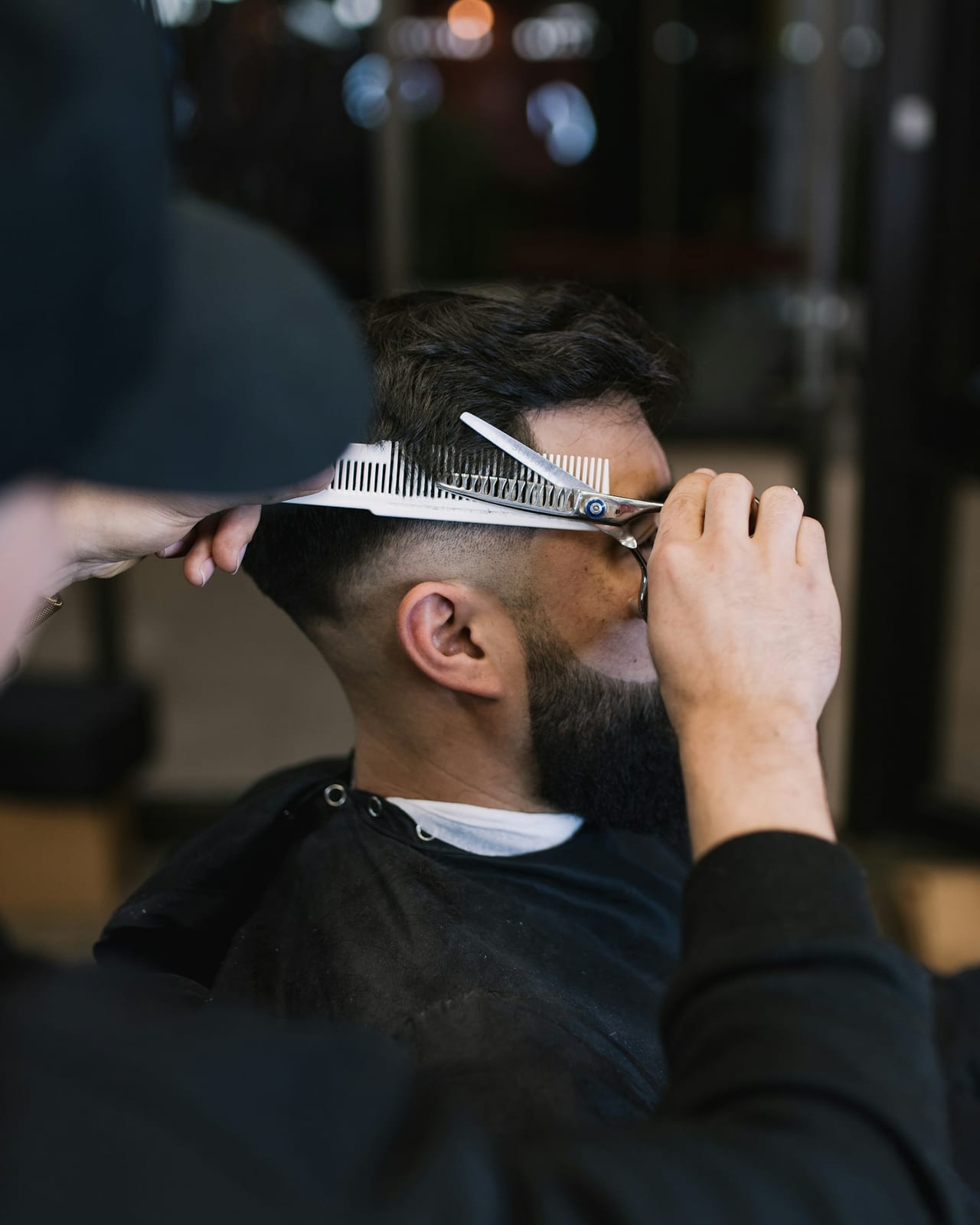
Utah will now license a barber after 130 hours of instruction. Michigan requires 1,800. Same clippers, same chair, same haircut, and a 13x difference in what your state makes you buy first.
The hours are moving, and mostly downward
Barbering is the clearest example on this site of licensing rules actively changing, which matters because most advice about it is out of date.
Texas requires 1,000 hours for a Class A Barber. Oregon requires 746 hours of barbering plus 465 practical operations, plus another 40 hours of laws and career development. Michigan requires 1,800 hours by statute. New York, strikingly, has no fixed classroom-hour mandate at all: the state route is a two-year registered apprenticeship.
Then there’s Utah, which passed SB330 in March 2025. Utah barbers previously needed a program of at least 1,000 instructional hours. The new law allows a barbering permit at a minimum of 130 hours, with the full 1,000 reserved for master barbers doing chemical services. That’s not a tweak. That’s a different career-entry cost by an order of magnitude, and if you’re in a state considering something similar, waiting six months could be worth more than any scholarship.
Virginia has reportedly moved the same direction, cutting barber hours from 1,110 to 750 effective December 2025. We found that in an industry association’s reading of the proposed rule rather than on the state’s own site, which wouldn’t load for us, so treat it as likely-but-unconfirmed and check with the board directly.
What barber school charges
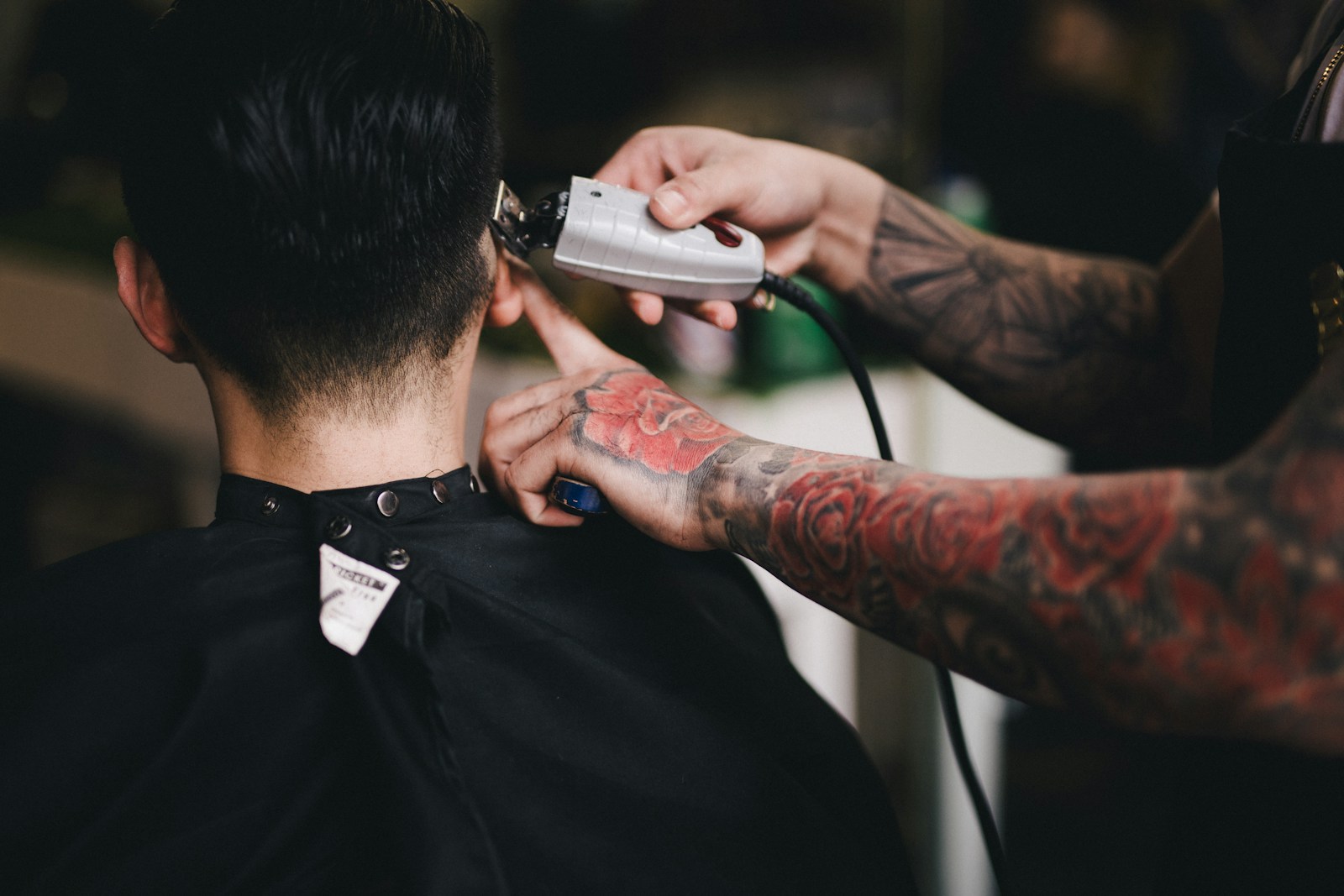
The Barber School publishes an unusually honest breakdown, so it’s a useful anchor. Its 1,000-hour program totals $16,550: $13,850 tuition, $2,300 for books, iPad, and kit, $350 registration, and a $50 non-refundable application fee. The 1,200-hour hair design program totals $19,940.
And then this, in the school’s own words: state board and licensing fees are separate from the school and are not included in the listed fees. That’s the sentence to look for on every school’s page. Most bury it. When a program quotes you a total, ask specifically whether the state’s exam and license fees are inside it, because they usually aren’t.
The kit is $2,300 of that $16,550, roughly 14% billed on top of tuition. Same pattern as cosmetology and esthetics: the advertised tuition is not the price.
The apprenticeship almost nobody mentions
If you’re in New York, you don’t need barber school. The state’s own route is working as a registered Barber Apprentice for two years. That’s it. No 1,000-hour tuition bill, because you’re in a shop learning from barbers while earning.
Michigan allows the same substitution at 1,800 hours, identical to the college requirement, so it saves you no time but removes the tuition. Utah’s new 130-hour permit is available through either school or apprenticeship at the same hour count.
The tradeoff is honest and worth stating. An apprenticeship is slower on paper, you’re dependent on one shop’s willingness to actually teach you rather than use you as a sweeper, and there’s no financial aid attached because there’s nothing to finance. But against $16,550 for a median career wage of $38,210, spending two years earning instead of a year paying is a materially different financial life. Call three shops before you call a school.
What the license actually pays
The Bureau of Labor Statistics puts the May 2025 median annual wage for barbers at $38,210. The lowest-paid tenth earn under $28,600, and the top tenth clear $76,460.
That top decile is real and it’s the reason people love this trade, but understand what it represents: an established barber with a full book, usually renting a booth rather than taking commission, in a shop with a waiting list. It takes years to build and it’s a small-business outcome, not a wage outcome.
Growth is 4% from 2024 to 2034 with about 8,400 openings a year, which makes barbering one of the smaller occupations tracked here. Fewer chairs, less churn, more dependence on your specific local market than any national figure can tell you.
Put the honest version together. A $16,550 school bill is 43% of the median annual wage, before tax, for a job whose entry-level tenth earns $28,600. In New York you can skip that bill entirely and get paid for two years instead. In Utah you may now need 130 hours rather than 1,000. The best financial decision in this career is almost never which school, and almost always which route.
Compare training paths
The cheapest path is rarely the one that advertises the most. Community college, apprenticeship, and employer-sponsored routes usually cost less than a private program covering the same license or certification.
| Path | Cost | Time | Tradeoff |
|---|---|---|---|
| Barber school (1,000-hour program) | $16,550–$19,940 | 6–12 mo | The Barber School lists $16,550 all-in for its 1,000-hour program ($13,850 tuition + $2,300 books/iPad/kit + $350 registration + $50 application) and $19,940 for the 1,200-hour hair design program. Its page states plainly that state board and licensing fees are NOT included. |
| Registered apprenticeship (paid, where allowed) Lower cost | $0–$500 | 18–24 mo | New York licenses barbers through a 2-year registered apprenticeship with no fixed classroom-hour mandate. Michigan allows an 1,800-hour apprenticeship as a full substitute for barber college. You learn in a shop instead of paying a school. Not available in every state. |
| Low-hour state / specialty permit Lower cost | $1,000–$6,000 | 2–6 mo | Utah's SB330 created a 130-hour basic barbering permit, against the 1,000-hour master barber program. If your state has introduced a narrower permit and you only want to cut hair, it can cut the cost by an order of magnitude. Check your board. |
Paying for it
Grants, sponsorship & free paths
- Apprenticeship instead of school. This is the biggest lever in barbering. New York's route is a 2-year apprenticeship with no classroom-hour mandate at all, and Michigan treats an 1,800-hour apprenticeship as equivalent to barber college. You're in a shop, not paying tuition. If your state allows it, price it before you sign a $16,550 enrollment agreement.
- Specialty permits (new, state-specific). Utah now issues a barbering permit at 130 instructional hours rather than the full 1,000-hour program. Several states are moving this direction. If you don't need chemical services, you may not need the full curriculum.
- WIOA workforce grant. Barbering programs can appear on a state's Eligible Training Provider List. Call an American Job Center before paying a deposit. Details.
Compare Barber programs
We're not routing this career to a specific school or lead program yet. Use the cost breakdown and path comparison above to shortlist a program near you, then compare their quote against the numbers on this page before you commit.