Healthcare · costs reviewed July 2026
EMT Training Cost (2026): All-In Price, Time & EMT Pay
What EMT-Basic training really costs: community college vs private academy tuition, the NREMT exam fee, state fees, and free fire-department training.
Jump to the estimator
Cost-to-become estimator: EMT (Basic)
Pick your path and region. The all-in total, timeline, and payoff update as you go. No email, no quote form.
Estimated all-in cost
– –
How this estimate is built
Costs reviewed July 2026. Your real cost will vary by school, state, and program.
What's in the all-in number
| Item | Low | High |
|---|---|---|
| Tuition / program (community college or private academy EMT-Basic course) | $400 | $5,000 |
| Books, materials & supplies | $50 | $150 |
| Exam & license/certification fees | $104 | $404 |
| All-in total | $554 | $5,554 |
Base national range before the estimator's region and path adjustments. Reviewed July 2026.
Salary & payoff
Median annual pay
$44,470
Entry-level pay
$34,130
Payback on the typical all-in cost
~0.8 months
Source: U.S. Bureau of Labor Statistics, Occupational Employment and Wage Statistics, 29-2042 Emergency Medical Technicians.
A community college EMT-Basic course can run as little as $400. A private academy teaching the same certification can charge $5,000. And a fair number of fire departments and ambulance companies will train you for nothing if you’re willing to work for them afterward. The spread on this one career is enormous, and the cheapest option is rarely the one that shows up first.
What’s actually in the price
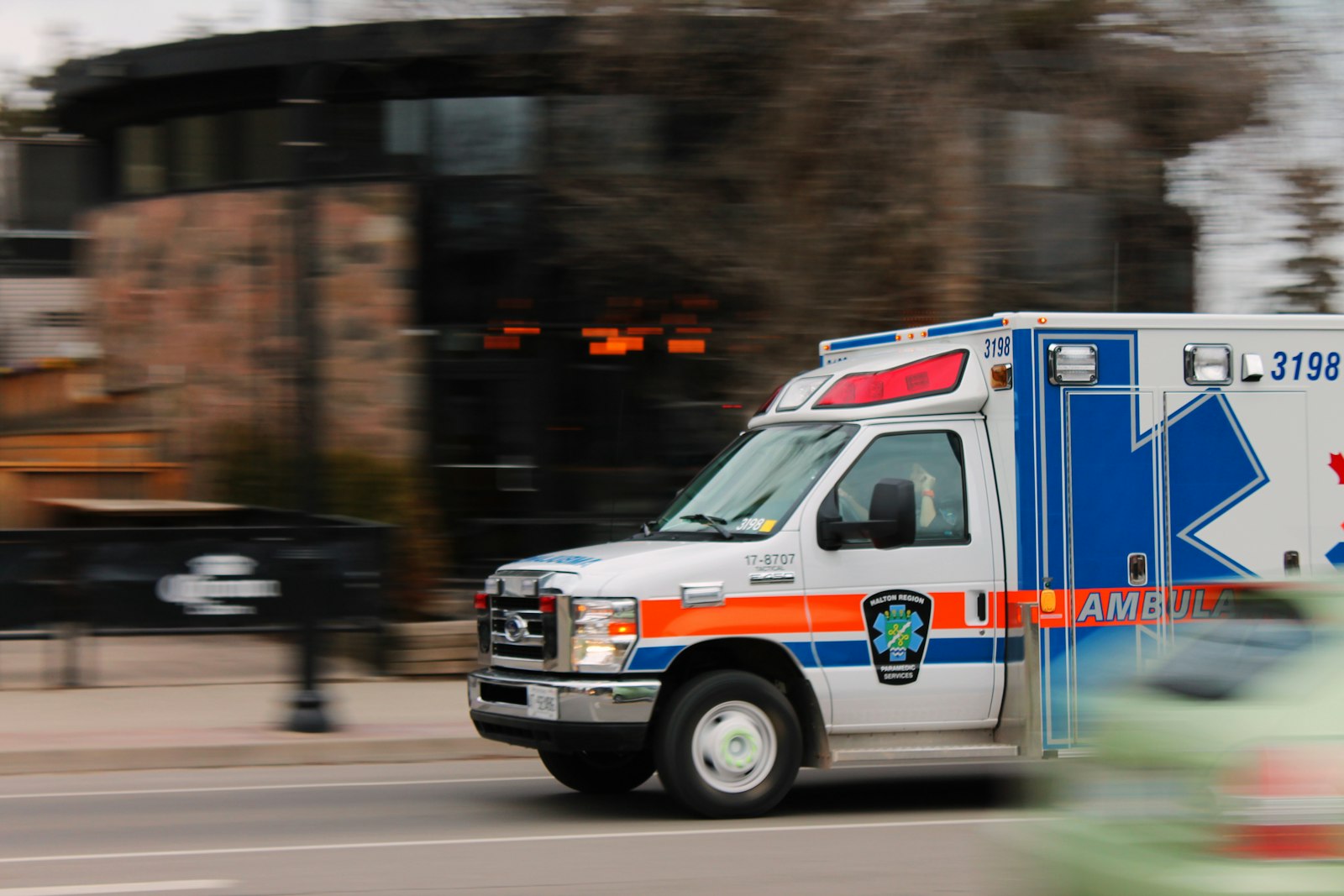
EMT-Basic training runs 100 to 150 combined hours of classroom instruction and hands-on clinical time, typically spread over 4 to 16 weeks depending on whether you go full-time or part-time evenings and weekends. Community colleges teaching that same curriculum charge $400 to $1,500. Private EMS academies charging for the identical NREMT-aligned curriculum run $2,000 to $5,000, mostly for scheduling flexibility and faster start dates rather than a materially different education.
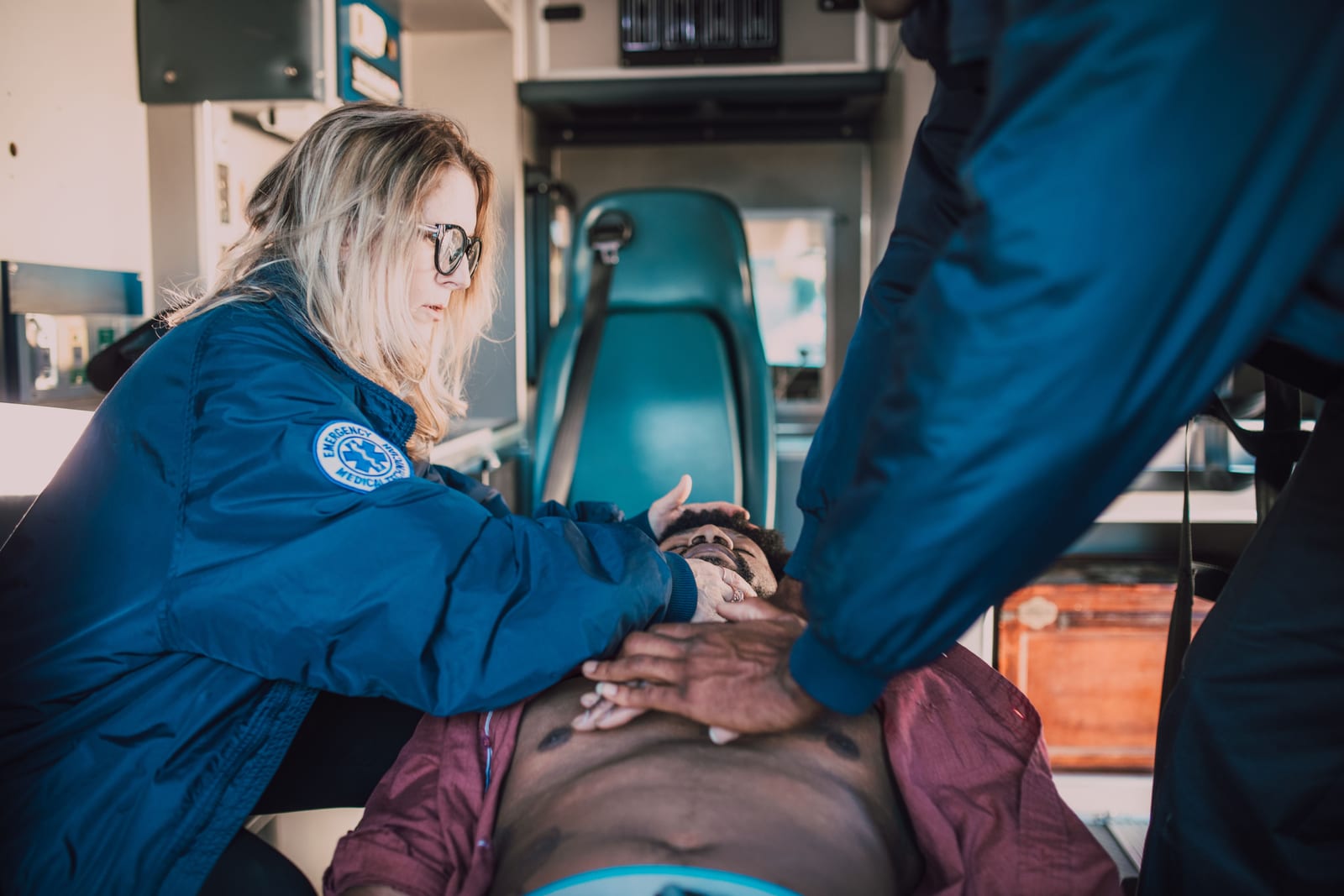
On top of tuition, every candidate pays the National Registry of Emergency Medical Technicians (NREMT) cognitive exam fee, which is $104. Some training programs bundle an exam voucher into their tuition, effectively pre-paying that fee, so check before paying it twice. State certification application fees add another $0 to $300 depending on the state; Texas, for instance, charges $64 for an initial EMT certification through the Department of State Health Services. Add a background check running $25 to $100.
The sponsored path nobody advertises
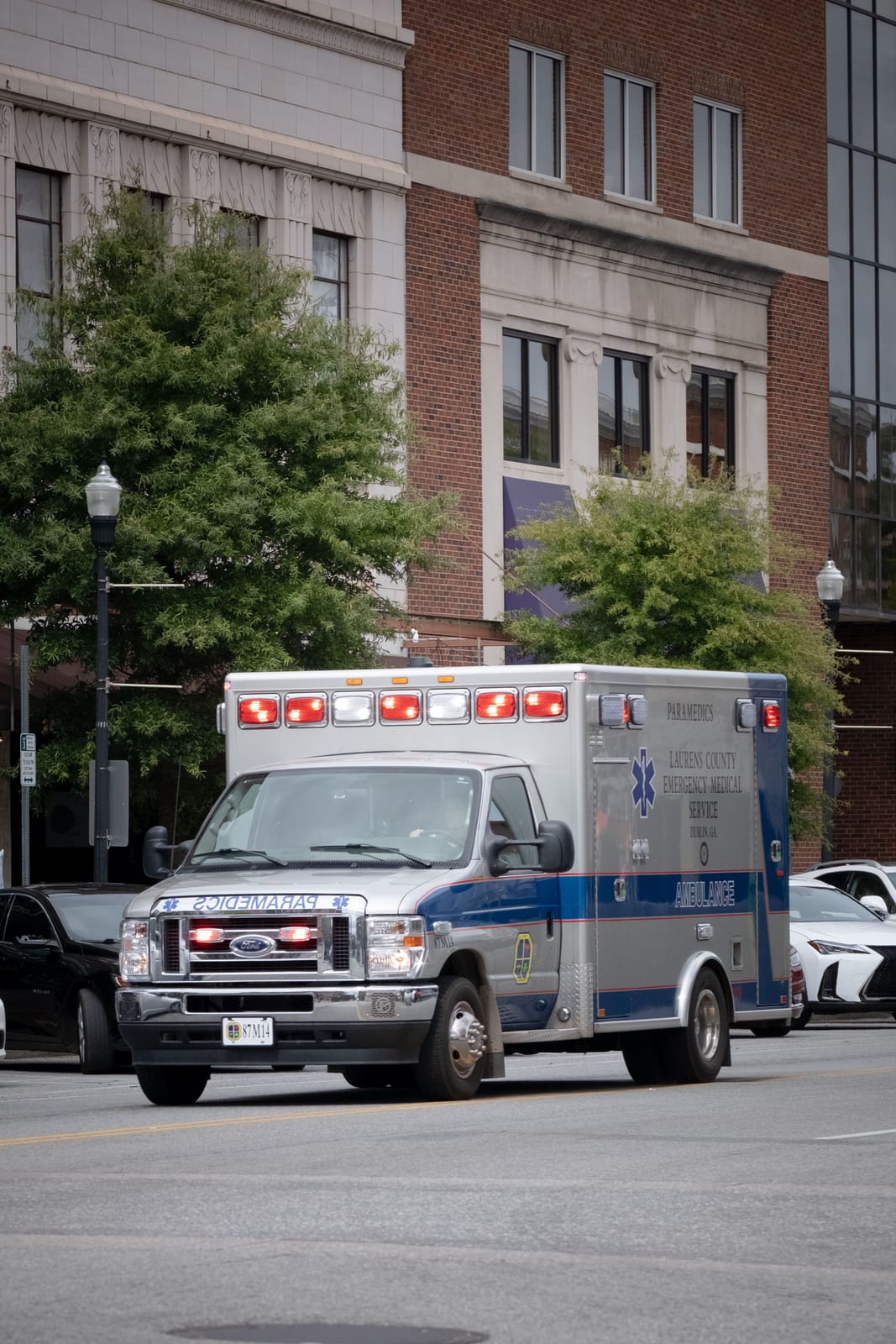
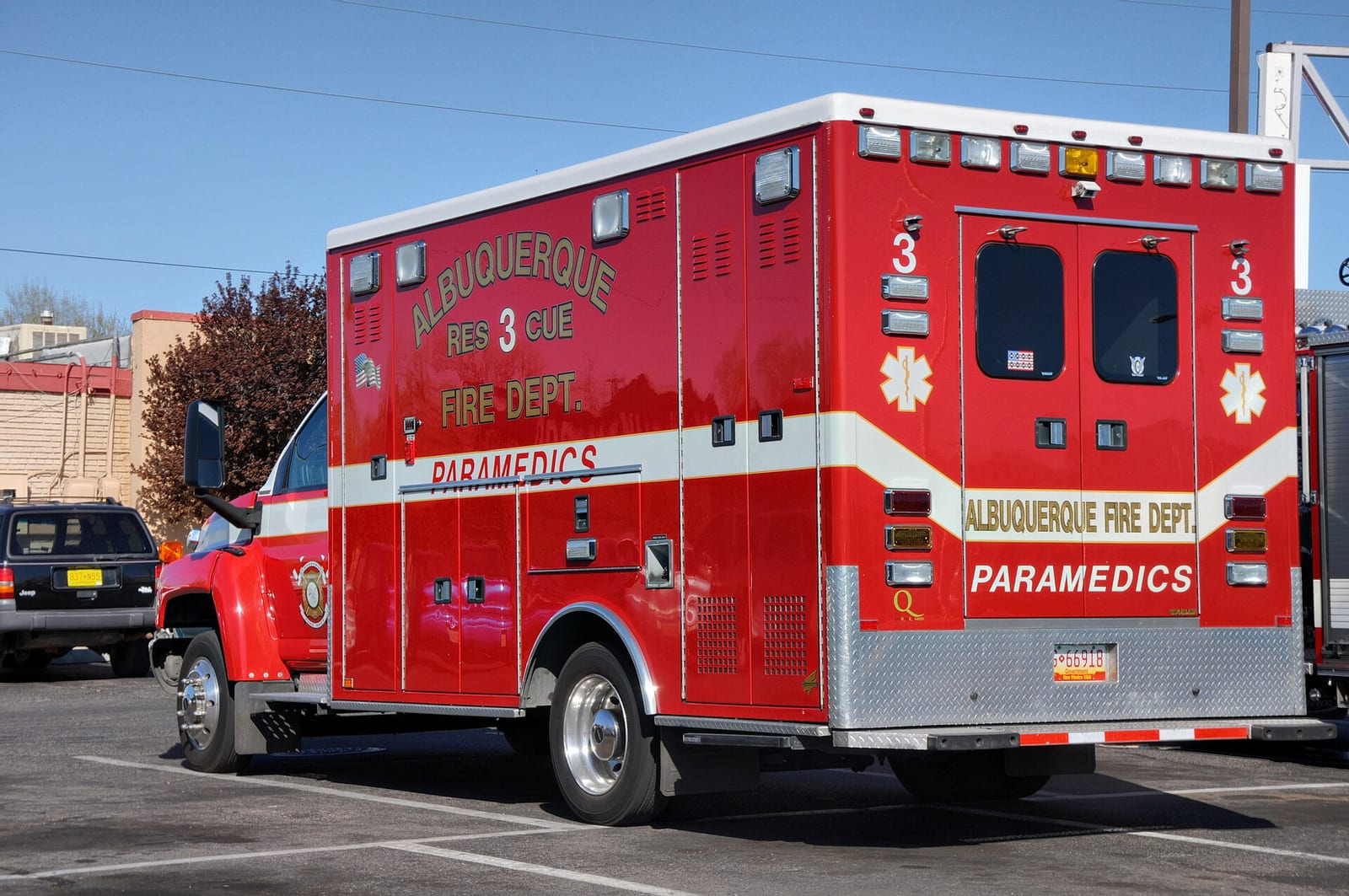
Fire departments, private ambulance companies, and some hospital-based EMS systems regularly pay for EMT-Basic training for new hires or volunteer members, in exchange for a service commitment. This isn’t a program with a national name or a dedicated landing page. It’s a local arrangement you find by calling your area’s fire department or ambulance service directly and asking what they offer. If becoming an EMT is a step toward firefighting or paramedic work rather than an end goal by itself, this route is worth exhausting before paying full price anywhere.
What a failed exam attempt actually costs
The NREMT gives candidates three attempts at the cognitive exam, with a mandatory 15-day wait between sittings and the full $104 fee due again each time. That’s manageable. What changes the math is a third failure: NREMT policy then requires at least 24 hours of remedial coursework, verified by an NREMT-approved or state-approved program, before a fourth attempt is allowed. Fail six times total and the only way back in is retaking the entire EMT course from scratch at an accredited school, not just the exam. A single retake adds $104 to the total. A required remediation course adds real weeks and, depending on the provider, another few hundred dollars on top of a budget that looked finished after the first tuition check cleared.
Certification isn’t a one-time purchase, either. NREMT certification runs on a two-year cycle, and recertifying requires 40 hours of continuing education under the National Continued Competency Program, split across national, state/local, and individual-choice components, or retaking the cognitive exam outright as an alternative. Most working EMTs get the CE hours through their employer or a local training center rather than paying for it independently, but anyone pricing out the real multi-year cost of staying certified should plan for that recurring requirement, not just the certification’s sticker price up front.
EMT-Basic is the entry rung, not the ceiling
EMT-Basic and Paramedic are different certifications with a real pay gap between them: the Bureau of Labor Statistics puts the May 2025 median annual wage for EMTs at $44,470 against $60,600 for paramedics, a difference of roughly $16,000 for two roles that often ride the same ambulance. Paramedic training builds on top of an EMT-Basic certification rather than replacing it, typically adding 1,200 to 1,800 hours of further coursework and clinical rotations, most often through a community college program that runs 12 to 24 months. The sponsored-training arrangements described above frequently extend to this next step too: departments that pay to certify EMTs often keep paying to advance the ones who prove themselves on shift, which is the most common way people make that jump without a second tuition bill.
The occupation is growing faster than the U.S. average. The BLS projects 5% employment growth for EMTs and paramedics combined from 2024 to 2034, with about 19,000 openings a year nationally, most of it tied to an aging population needing more emergency medical response rather than any single region or employer expanding unusually fast.
Compare training paths
The cheapest path is rarely the one that advertises the most. Community college, apprenticeship, and employer-sponsored routes usually cost less than a private program covering the same license or certification.
| Path | Cost | Time | Tradeoff |
|---|---|---|---|
| Community college EMT-Basic course Lower cost | $400–$1,500 | 1–3 mo | The cheapest classroom-based path. Course length runs roughly 100-150 hours of combined classroom and clinical time. |
| Private EMS academy | $2,000–$5,000 | 1–3 mo | Faster scheduling and more flexible start dates than community college, at 2-3x the cost for the same certification. |
| Fire department or ambulance company sponsored Lower cost | $0–$300 | 1–3 mo | Many fire departments, ambulance companies, and hospital systems train EMTs for free or heavily subsidized in exchange for a service commitment. Ask directly; this isn't consistently advertised. |
Paying for it
Grants, sponsorship & free paths
- Fire department / ambulance company sponsorship. Local fire departments and private ambulance companies frequently sponsor EMT-Basic training for new hires or volunteers, sometimes at no cost, in exchange for a service commitment. Call your local department directly and ask.
- Exam voucher bundled with training. Many accredited EMT courses include an NREMT exam voucher in the tuition, effectively covering the exam fee. Confirm whether your program includes this before paying the NREMT fee separately.
Compare EMT (Basic) programs
We're not routing this career to a specific school or lead program yet. Use the cost breakdown and path comparison above to shortlist a program near you, then compare their quote against the numbers on this page before you commit.