Healthcare · costs reviewed July 2026
Phlebotomy Training Cost (2026): All-In Price, Time & Pay
What phlebotomy certification really costs: online vs community college vs private tuition, the NHA exam fee, and hospital training that costs nothing.
Jump to the estimator
Cost-to-become estimator: Phlebotomy Technician
Pick your path and region. The all-in total, timeline, and payoff update as you go. No email, no quote form.
Estimated all-in cost
– –
How this estimate is built
Costs reviewed July 2026. Your real cost will vary by school, state, and program.
What's in the all-in number
| Item | Low | High |
|---|---|---|
| Tuition / program (online, community college, or private program) | $500 | $2,900 |
| Books, materials & supplies | $50 | $100 |
| Exam & license/certification fees | $117 | $155 |
| All-in total | $667 | $3,155 |
Base national range before the estimator's region and path adjustments. Reviewed July 2026.
Salary & payoff
Median annual pay
$45,230
Entry-level pay
$35,780
Payback on the typical all-in cost
~0.5 months
Source: U.S. Bureau of Labor Statistics, Occupational Employment and Wage Statistics, 31-9097 Phlebotomists.
An online phlebotomy course can run $500. A private training center offering the same certification can charge $2,900. The difference usually isn’t quality of instruction, it’s whether clinical hours, equipment access, and job-placement support are bundled in or left for you to arrange yourself.
Where the money actually goes
Phlebotomy certification training runs from $500 for a basic online course up to $2,900 or more at a private center, with most candidates landing between $1,000 and $2,500 all-in. Community college programs, typically $700 to $2,500, usually include the supervised clinical hours required for certification as part of the tuition. Some online programs are cheaper upfront specifically because they leave you to arrange your own externship or clinical placement, which can add time and occasionally cost if a clinical site charges a supervision fee.
On top of program tuition, every candidate needs a certification exam. The National Healthcareer Association’s Certified Phlebotomy Technician (CPT) exam runs roughly $117 to $155, depending on when and how you register, and some programs fold the fee or a voucher for it directly into tuition, so check before paying it twice. Add textbooks ($50-$100), scrubs ($23-$50), a background check ($30-$100), and drug testing ($25-$50), and the “hidden cost” line items alone can run $150 to $300 beyond what a program’s advertised tuition covers.
NHA isn’t the only credential, and which one a program points you toward matters more than the marketing suggests. NHA’s CPT is the default at most for-profit and community college programs and requires documenting 30 successful venipunctures and 10 capillary sticks on live patients, a bar most training programs are built to clear on their own. The American Society for Clinical Pathology’s Phlebotomy Technician (PBT) credential asks for at least 100 successful venipunctures plus proof of CPR certification and current immunizations, a materially higher bar, and it’s the credential most often treated as the strongest by hospital labs, Level 1 trauma centers, and anyone planning to later move into a Medical Laboratory Technician role. NHA certification renews every 2 years with 10 continuing-education credits; ASCP PBT runs on a 3-year cycle requiring 12 CE hours. Practically: NHA gets someone working sooner and is accepted almost everywhere, while ASCP’s higher draw-count requirement takes longer to satisfy but opens doors NHA sometimes doesn’t in hospital settings specifically.

Whichever path you take, most programs converge on the same core competency before they’ll let you near a patient: correct order of draw, tube handling, and specimen labeling, since a mislabeled or contaminated sample can mean a redraw or a bad lab result rather than just a redo.
The path that’s easy to miss
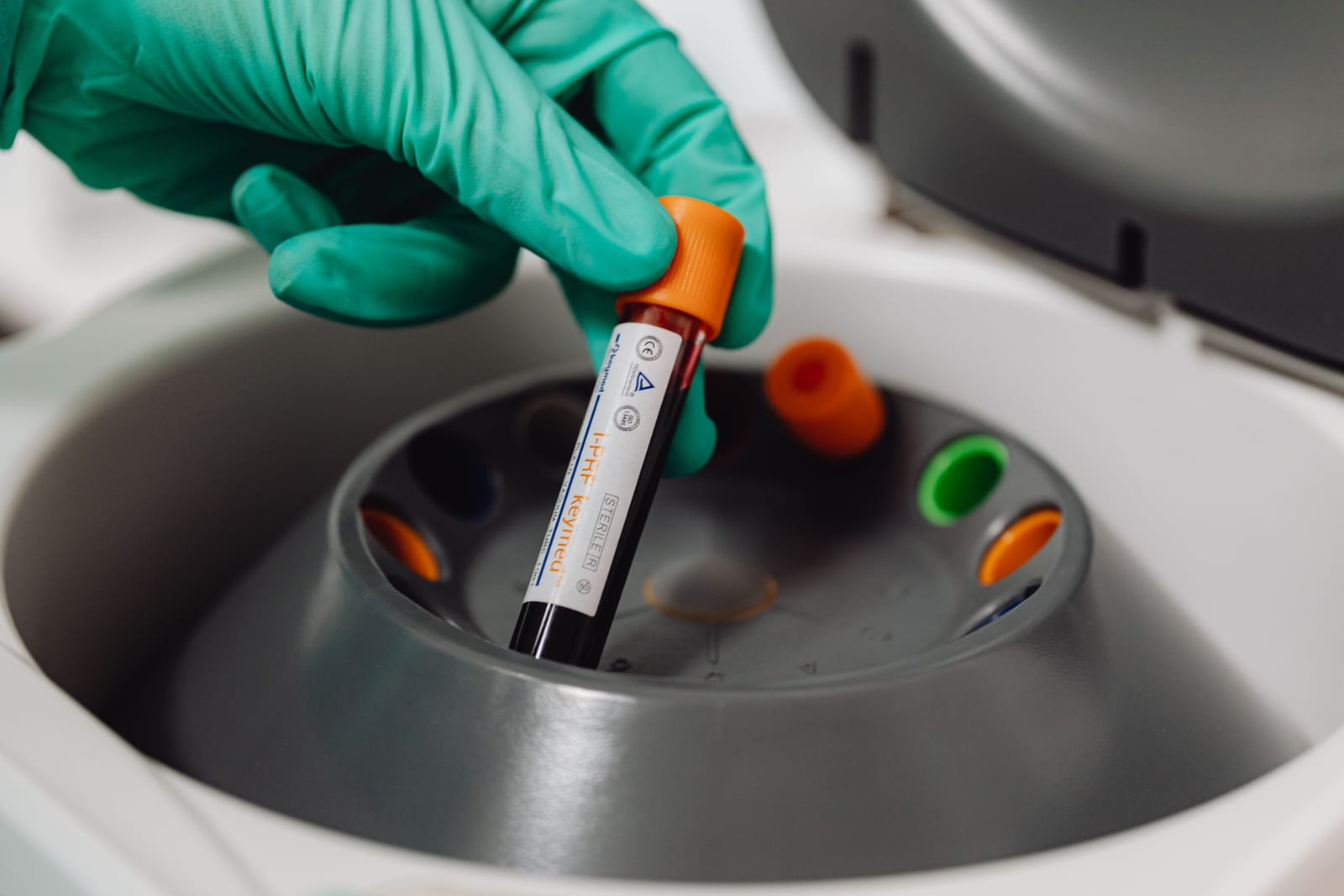
Some hospital systems run their own internal phlebotomy training pipeline, training people for free or close to it in exchange for committing to work in that hospital’s lab or blood-draw department afterward. This isn’t consistently advertised online, and the honest answer is that finding it requires calling hospital HR or laboratory services directly and asking whether they train their own phlebotomists. If a hospital job is the actual goal rather than certification for its own sake, this is worth checking before paying for a private program.
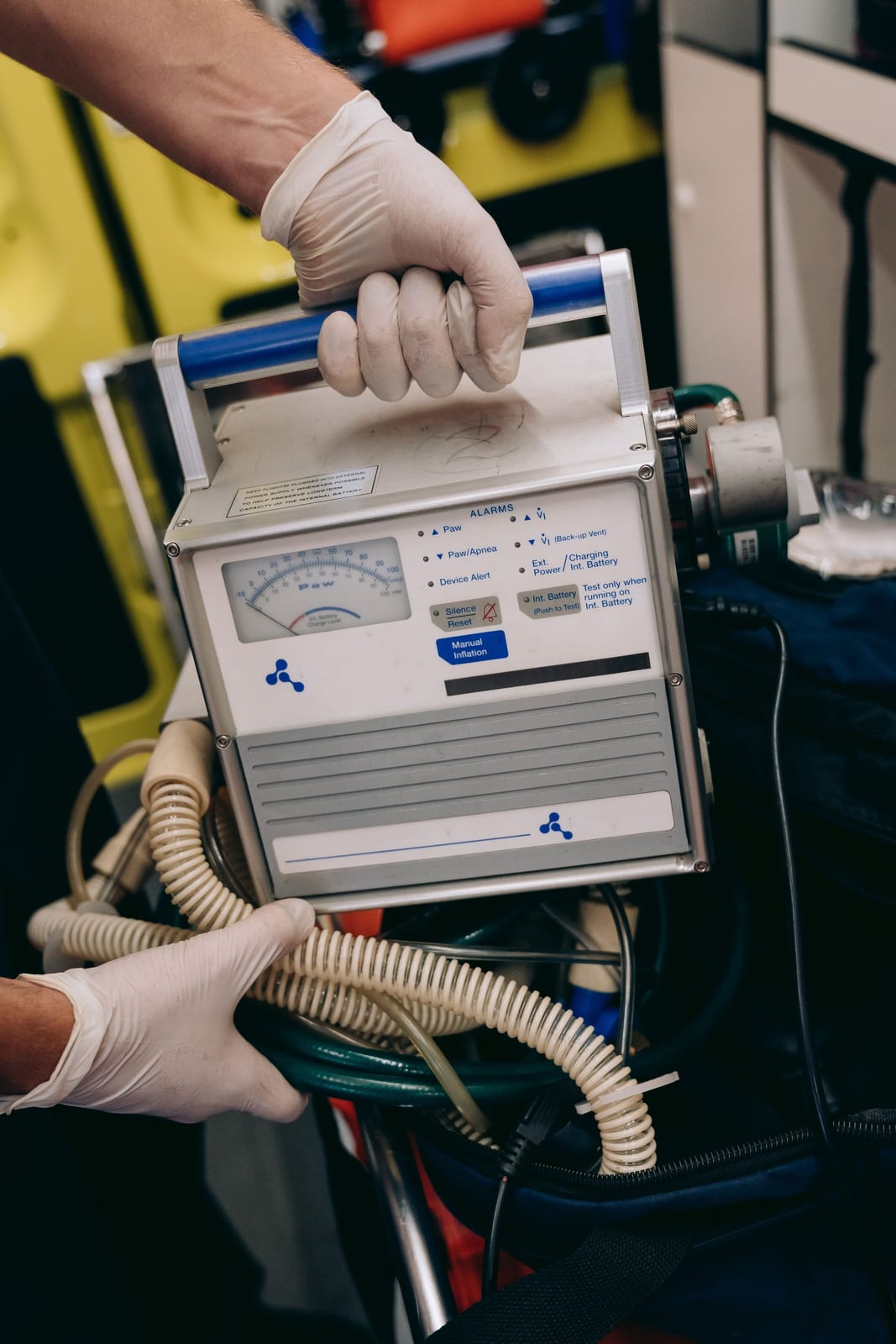
Where you end up working shapes the job as much as the certification does. Hospital labs and blood banks are the highest-volume settings, and also the ones most likely to run internal training. Outpatient clinics and physician offices tend to be lower-volume and more predictable. Mobile phlebotomy services, drawing blood at a patient’s home for a lab company, pay a per-draw or hourly rate and require a car and a clean driving record on top of the certification itself.
Four states require a license, not just certification
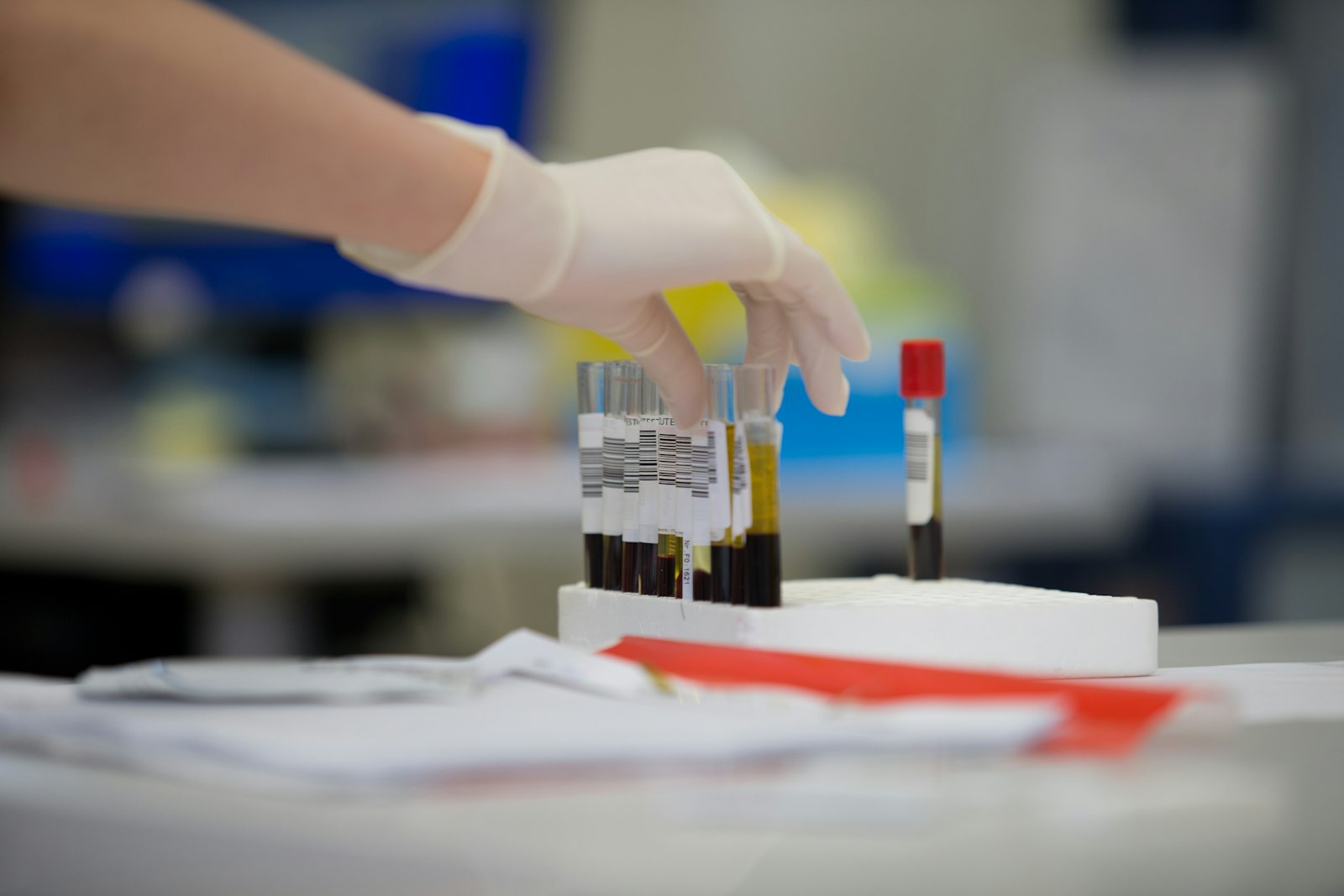
California, Louisiana, Nevada, and Washington are the only states that mandate a state-issued phlebotomy license on top of national certification. California’s Certified Phlebotomy Technician I (CPT I) pathway, run through the California Department of Public Health, requires 40 hours of classroom instruction plus 40 hours of supervised clinical practice, with documented proof of 50 venipunctures and 10 skin punctures, on top of passing a national certifying exam. Louisiana licenses through its State Board of Medical Examiners, layering a state application and background check on whatever national certification a candidate already holds. The other 46 states carry no state licensing requirement at all, which technically means someone could work as a phlebotomist there without any certification. That loophole matters less in practice than it sounds: roughly 93% of employers require national certification regardless of what the state mandates, so skipping it to save the exam fee mostly just shortens the list of employers willing to interview.
The job market is growing faster than healthcare overall
The Bureau of Labor Statistics projects phlebotomist employment will grow 6% from 2024 to 2034, faster than the average for all occupations, with about 18,400 openings projected each year. The driver is straightforward: an aging population needs more blood work done, not less, and that demand doesn’t cluster in one setting the way some healthcare growth does. It spreads across hospitals, outpatient labs, blood donation centers, and the mobile-draw services described above, which is part of why the certification transfers reasonably well between employer types compared to more facility-specific healthcare credentials.
Compare training paths
The cheapest path is rarely the one that advertises the most. Community college, apprenticeship, and employer-sponsored routes usually cost less than a private program covering the same license or certification.
| Path | Cost | Time | Tradeoff |
|---|---|---|---|
| Online program | $500–$1,000 | 1–3 mo | Cheapest option for the classroom portion, but still requires an in-person clinical/externship component most online providers arrange separately. |
| Community college Lower cost | $700–$2,500 | 1–4 mo | Includes supervised clinical hours as part of the program, which some online options require you to arrange yourself. |
| Private training center | $650–$2,900 | 1–3 mo | Faster scheduling than community college in most markets, similar total cost. |
| Hospital-sponsored program Lower cost | $0–$300 | 1–3 mo | Some hospital systems run their own phlebotomy training pipeline for future employees, at no or low cost. Not universally available; ask hospital HR directly. |
Paying for it
Grants, sponsorship & free paths
- Hospital-sponsored training programs. Some hospital systems train phlebotomists internally for their own staffing needs, at no or minimal cost, sometimes with a job offer attached. Ask hospital HR or laboratory departments directly; this isn't uniformly advertised.
Compare Phlebotomy Technician programs
We're not routing this career to a specific school or lead program yet. Use the cost breakdown and path comparison above to shortlist a program near you, then compare their quote against the numbers on this page before you commit.