Healthcare · costs reviewed July 2026
Personal Trainer Certification Cost (2026): NASM, ACE & Pay
What a personal trainer certification actually costs: NASM CPT exam and study package pricing, renewal fees, and real fitness-trainer salary data.
Jump to the estimator
Cost-to-become estimator: Personal Trainer
Pick your path and region. The all-in total, timeline, and payoff update as you go. No email, no quote form.
Estimated all-in cost
– –
How this estimate is built
Costs reviewed July 2026. Your real cost will vary by school, state, and program.
What's in the all-in number
| Item | Low | High |
|---|---|---|
| Tuition / program (certification study package (NASM, ACE, or equivalent)) | $599 | $1,500 |
| Books, materials & supplies | $0 | $100 |
| Exam & license/certification fees | $0 | $199 |
| All-in total | $599 | $1,799 |
Base national range before the estimator's region and path adjustments. Reviewed July 2026.
Salary & payoff
Median annual pay
$47,160
Entry-level pay
$28,800
Payback on the typical all-in cost
~0.3 months
Source: U.S. Bureau of Labor Statistics, Occupational Employment and Wage Statistics, 39-9031 Exercise Trainers and Group Fitness Instructors.
A personal trainer certification is one of the cheapest all-in costs on this site, often under $1,000, and it’s also one of the fastest to pay back against a median salary in the mid-$40,000s. That combination is rare enough to be worth calling out directly instead of burying it in a table.
What the certification actually costs
NASM’s base self-study package runs about $599 and bundles the digital textbook, an online study portal, practice exams, and one exam voucher, meaning the exam fee is built into that number rather than charged separately. Premium and all-inclusive tiers run $900 to $1,500 and add a retest voucher, more practice material, and career-support extras, but they don’t change the certification you end up holding. If you fail the exam on your first attempt, a retest costs $199. Maintaining the credential requires a $99 renewal fee every two years.
NASM and ACE (American Council on Exercise) are both accredited by the National Commission for Certifying Agencies (NCCA), the same independent standards body that accredits credentials across the fitness and allied-health industry; most commercial gyms and liability insurers treat NCCA accreditation as the practical floor for who they’ll hire or cover. ISSA (International Sports Sciences Association), the other major name in this space, runs a self-paced, open-book, untimed exam that’s cheaper and faster to finish, but the base ISSA-CPT itself isn’t NCCA-accredited. Candidates who need that specific accreditation pursue the NCCPT credential separately, a certification ISSA acquired in 2020. For anyone planning to walk straight into a commercial gym’s hiring process, NASM or ACE is the more direct route; ISSA’s open-book format and lower price point suit someone prioritizing speed and cost over accreditation status. NSCA, better known for its CSCS credential aimed at strength-and-conditioning coaches working with athletes, also NCCA-accredited, is a better fit for someone targeting sports performance work over general-population gym clients.
The exam itself, using NASM’s as the reference point since it’s the most widely held credential, is 120 multiple-choice questions with a two-hour time limit, proctored by PSI either at a physical testing center or remotely online, with a passing scaled score of 70. Candidates need a high school diploma or GED and a current CPR/AED certification just to sit for it. CPR/AED courses through the American Red Cross or American Heart Association run $30 to $70 and aren’t bundled into most certification packages, so budget for that separately from the headline price.
Passing the written exam is the entry ticket, not the whole job. Most certification programs, and most gyms doing their own onboarding on top of the certification, also expect a trainer to run a basic client intake: goals, injury history, a movement or strength assessment, and a plan built around what that specific client can safely do on day one.
Why the payback math looks different here
Most careers on this site take months of training and thousands of dollars before the first paycheck. Personal training’s certification cost is genuinely low relative to the median annual pay for exercise trainers and group fitness instructors, which sits in the mid-$40,000s. That’s a faster payback ratio than almost anything else in this comparison. The caveat: real trainer income depends heavily on whether you’re a gym employee on an hourly rate or building an independent client base, and the second path takes longer to become steady income even after the certification itself is done.
Gym-employee trainers are usually paid hourly or per session and get a built-in client pipeline from the gym’s membership base, trading a smaller cut per session for steadier volume. Independent trainers keep the full session rate, commonly $50 to $100 an hour depending on the market, but have to find and retain their own clients before that rate turns into consistent income.
The job market backs up the low-cost math
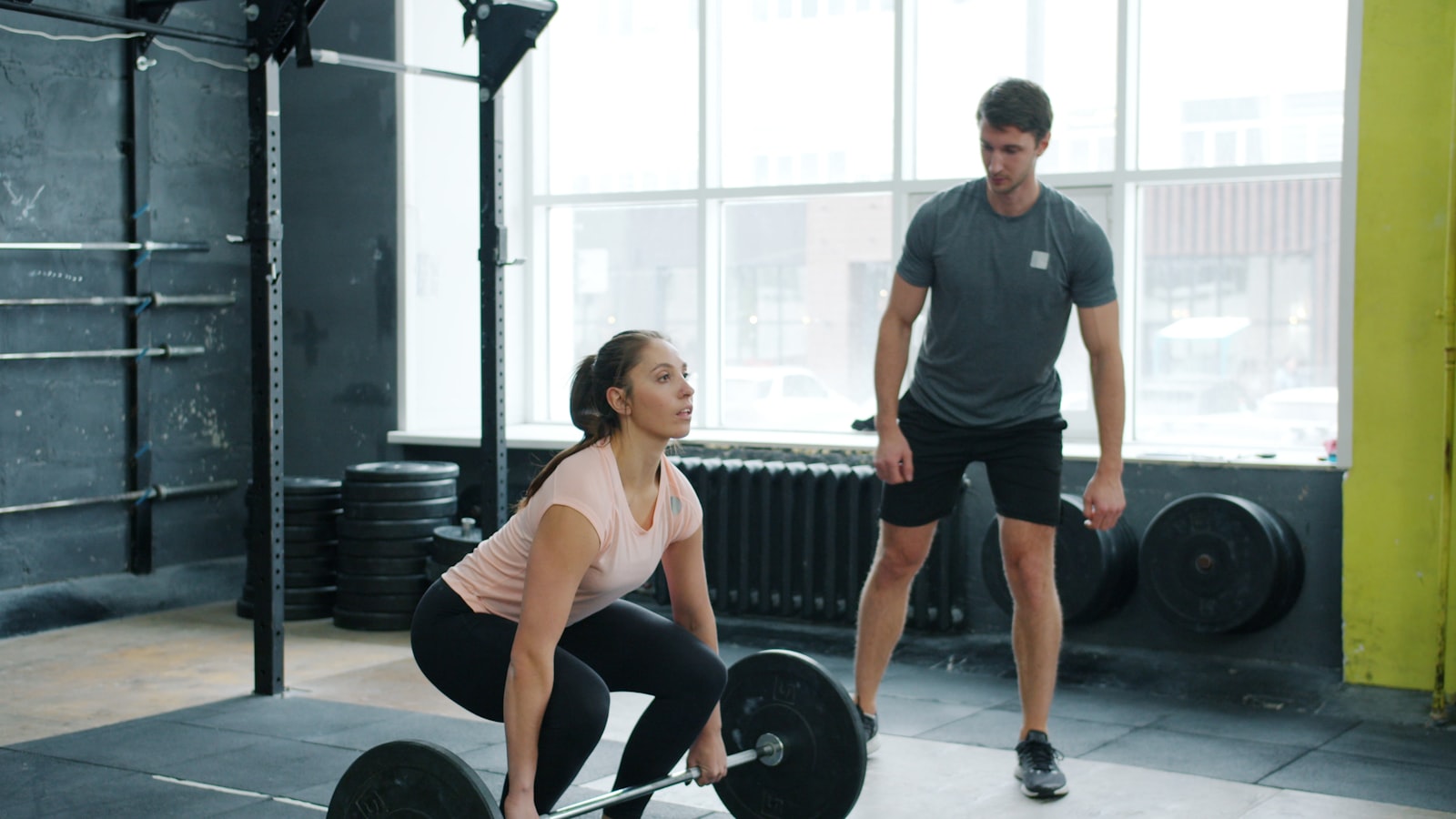
Cheap certification only matters if the field is actually hiring, and this one is. The Bureau of Labor Statistics projects 12% employment growth for fitness trainers and instructors from 2024 to 2034, well above the average for all occupations, with about 74,200 openings projected each year over the decade. That’s a larger annual opening count than several careers on this site with far higher training costs, which is part of why the sub-$1,000 all-in price for a NASM or ACE certification stands out: low upfront cost paired with genuinely strong demand is a combination most certifications here don’t offer at the same time.
None of that guarantees a full client roster on day one. Growth in the occupation reflects gyms, studios, and corporate wellness programs adding trainer headcount broadly; it says nothing about how fast any individual new trainer converts a certification into paying clients, which still depends on the gym-employee-versus-independent tradeoff described above.
Compare training paths
The cheapest path is rarely the one that advertises the most. Community college, apprenticeship, and employer-sponsored routes usually cost less than a private program covering the same license or certification.
| Path | Cost | Time | Tradeoff |
|---|---|---|---|
| Self-study package (exam included) | $599–$799 | 1–4 mo | NASM's base self-study package runs about $599 and includes the digital textbook, online study portal, practice exams, and one exam voucher. Fastest and cheapest way in if you're self-motivated. |
| Premium or all-inclusive study package | $900–$1,500 | 1–6 mo | Adds a retest voucher, more practice exams, and career-support extras. Doesn't change the certification you end up with, just the study support and safety net. |
| Community college or gym-based prep course Lower cost | $400–$900 | 2–6 mo | Some community colleges and gym chains run in-person NASM/ACE prep courses. Cost varies widely by provider; the certifying body's exam fee is separate. |
Paying for it
We haven't verified a specific aid or financing program for Personal Trainer yet. WIOA workforce grants (via your local American Job Center) and employer-sponsored training are worth asking about for most vocational programs.
Compare Personal Trainer programs
We're not routing this career to a specific school or lead program yet. Use the cost breakdown and path comparison above to shortlist a program near you, then compare their quote against the numbers on this page before you commit.