Healthcare · costs reviewed July 2026
CNA Training Cost (2026): All-In Price, Time & Pay
What CNA certification actually costs: community college vs private program tuition, the state competency exam fee, and free nursing-home-sponsored training.
Jump to the estimator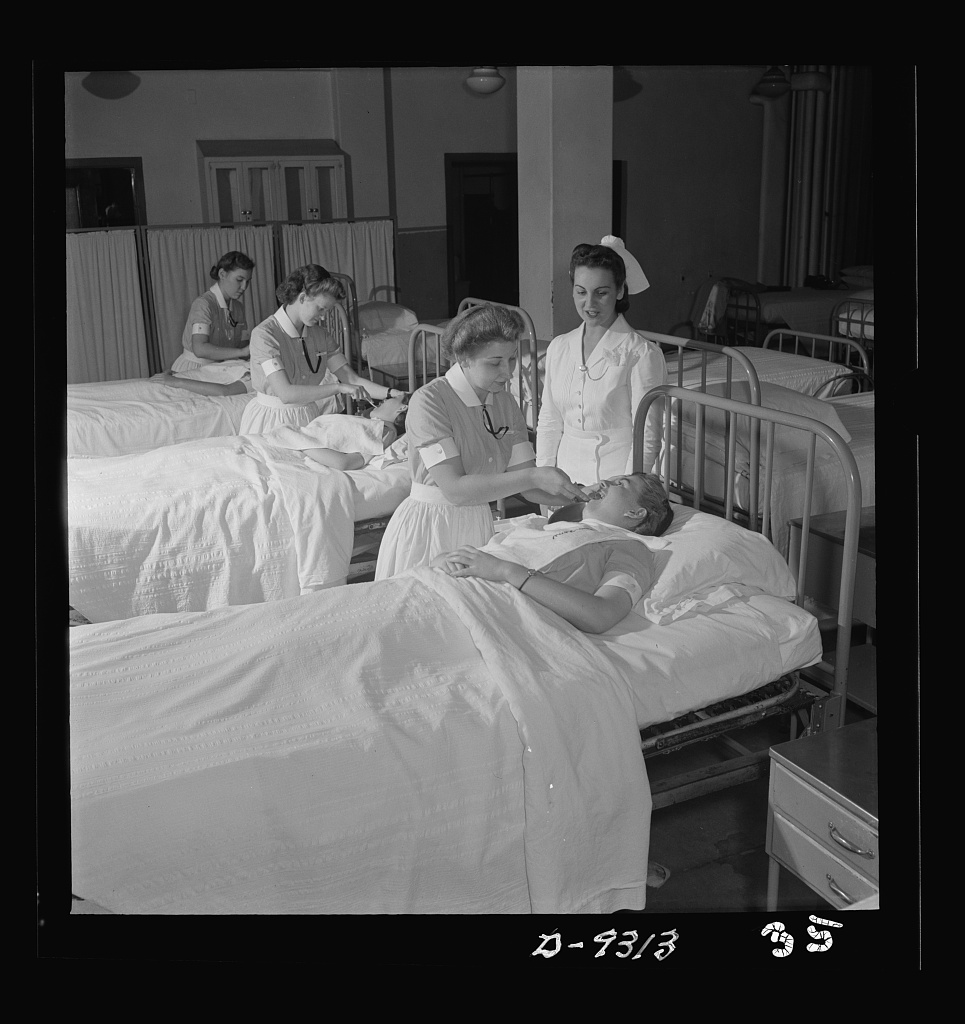
Cost-to-become estimator: CNA (Certified Nursing Assistant)
Pick your path and region. The all-in total, timeline, and payoff update as you go. No email, no quote form.
Estimated all-in cost
– –
How this estimate is built
Costs reviewed July 2026. Your real cost will vary by school, state, and program.
What's in the all-in number
| Item | Low | High |
|---|---|---|
| Tuition / program (community college or private CNA program) | $500 | $2,500 |
| Books, materials & supplies | $50 | $110 |
| Exam & license/certification fees | $115 | $155 |
| All-in total | $665 | $2,765 |
Base national range before the estimator's region and path adjustments. Reviewed July 2026.
Salary & payoff
Median annual pay
$42,260
Entry-level pay
$33,940
Payback on the typical all-in cost
~0.5 months
Source: U.S. Bureau of Labor Statistics, Occupational Employment and Wage Statistics, 31-1131 Nursing Assistants.
A community college CNA program can run $500. A private vocational school teaching the same state-mandated curriculum can charge $2,500. And federal nursing-home regulation has required many Medicare/Medicaid-funded facilities to offer free CNA training to staff who commit to working there since 1987. That last fact alone should change how most people shop for this certification.
What the state actually requires
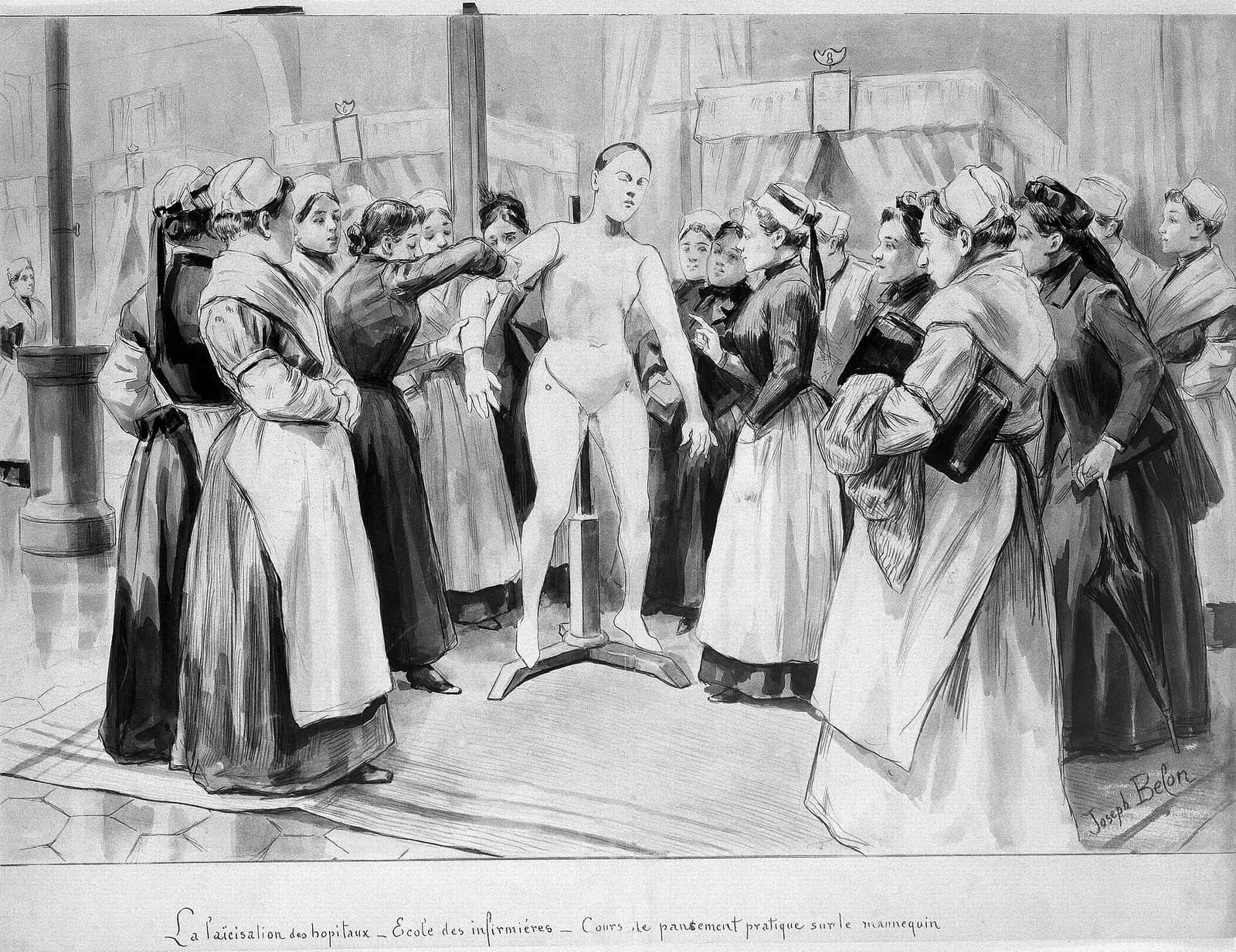
Federal law sets a 75-hour floor for CNA training, including at least 16 hours of supervised clinical practice, under the Omnibus Budget Reconciliation Act of 1987. More than half the states require more than that minimum. Texas sets 100 hours. Florida and Illinois both require 120. California requires 160, split 60 hours of classroom theory and 100 hours of supervised clinical time in a licensed facility, more than double the federal floor. A program’s total cost tracks its state’s hour requirement fairly closely, so the “$500 to $2,500” range on this page partly reflects real differences in how much training a state actually mandates, not just markup. Most programs finish in 4 to 12 weeks depending on the state’s hour count and whether the course runs full-time or part-time. Community college programs teaching that curriculum run $500 to $1,700. Private vocational schools charging for the identical state-mandated hours run $1,700 to $2,500, largely for faster start dates and evening or weekend scheduling rather than a different education.
On top of tuition, every candidate sits the state competency exam, which typically costs $100 to $200 depending on the state and testing vendor. Most states charge around $115; Florida charges $155. State registry application fees add another $20 to $50, and CPR certification, if a program requires it separately, runs $30 to $60.
The exam itself is two parts, not one: a written or oral knowledge test, usually 60 to 75 multiple-choice questions completed in 90 minutes or less (an oral version, often available in English or Spanish, exists for candidates who need it), followed by a hands-on skills evaluation where a candidate performs 3 to 4 tasks drawn from a standardized list, such as handwashing, taking vital signs, or transferring a patient, in front of an evaluator. States contract this out to one of three main vendors: Prometric, Pearson VUE’s NNAAP exam, or HeadMaster/D&S Diversified Technologies, and which vendor a state uses affects exam scheduling and retake logistics more than it affects the actual content being tested.
What the job actually involves
A CNA’s shift is built around direct patient contact: checking and recording vital signs, helping patients bathe, dress, and use the bathroom, repositioning patients to prevent bedsores, and assisting with meals for residents who can’t feed themselves. None of it is optional practice for the certification exam, since the state skills test evaluates several of these tasks directly on a live or simulated patient.
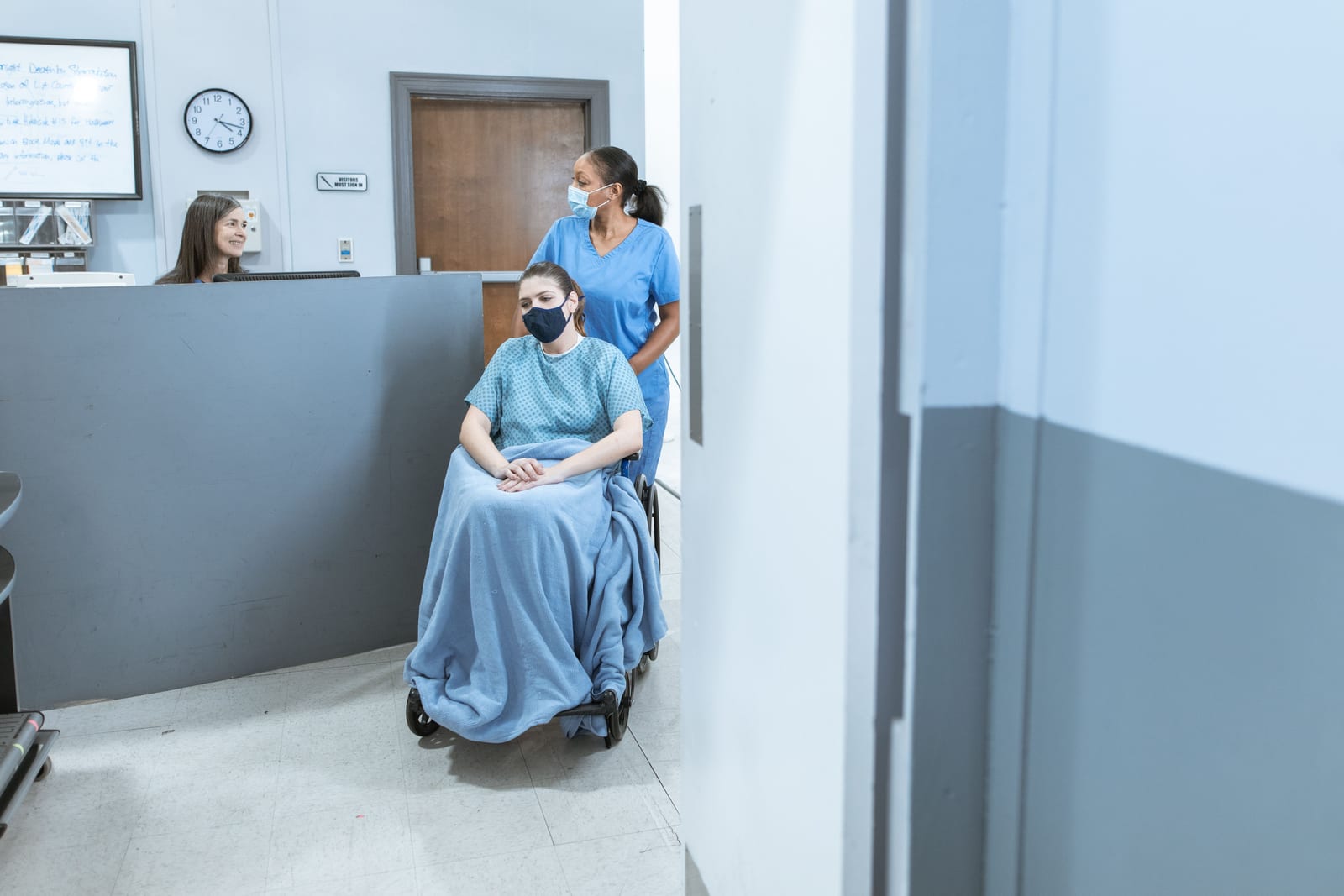
Mobility assistance is one of the most physically demanding parts of the job, and it’s the reason clinical hours, not just classroom time, are mandated: transferring a patient from a bed to a wheelchair or walker safely takes practiced technique, not just strength, and getting it wrong risks injuring both the patient and the CNA.

The free path that’s actually federal law
Since the Omnibus Budget Reconciliation Act of 1987, nursing homes and long-term care facilities that receive Medicare or Medicaid funding have been required, in many circumstances, to provide free CNA training to staff who commit to working there afterward. This isn’t a marketing promotion. It’s baked into federal nursing-home regulation, and it means a genuinely free path to this certification exists at facilities across the country. The way to access it is the same as with EMT and CDL sponsored training: call the facility’s HR department directly and ask what they offer, rather than expecting to find it advertised online.

The occupation’s numbers, and why a CNA credential is often a first step
The Bureau of Labor Statistics puts the May 2025 median annual wage for nursing assistants at $42,260, and projects the occupation will grow a modest 2% from 2024 to 2034, slower than the average for all jobs. That slow growth rate looks discouraging next to EMT’s 5% or personal training’s 12%, but it’s misleading on its own: nursing assistants are already one of the largest healthcare occupations in the country, at roughly 1.4 million jobs, so even 2% growth combined with normal turnover produces about 204,100 openings projected every year, more annual openings than nearly any other career on this site. A slow-growing, high-turnover occupation with this many people in it still hires constantly.
Many CNAs use the certification as a paid entry point into nursing rather than a career destination, and the numbers explain why. A CNA-to-LPN bridge program, which lets a working CNA count clinical experience toward an LPN license, typically costs $5,000 to $15,000 through a community college, well below a standalone LPN program’s cost since some CNA coursework transfers. LPN pay is meaningfully higher than CNA pay, and most CNAs who make the jump report recouping the bridge program’s cost within 8 to 12 months of working as an LPN. From LPN, a further bridge to an RN license (associate-degree RN programs commonly run $15,000 to $30,000) is the next rung for anyone using the CNA credential as it’s often intended: a paid way to confirm they want to work in healthcare before committing to a nursing degree.
Compare training paths
The cheapest path is rarely the one that advertises the most. Community college, apprenticeship, and employer-sponsored routes usually cost less than a private program covering the same license or certification.
| Path | Cost | Time | Tradeoff |
|---|---|---|---|
| Community college CNA program Lower cost | $500–$1,700 | 1–2 mo | The most common lower-cost path. State-mandated hours vary widely: 75 federal floor, 100 in Texas, 120 in Florida/Illinois, up to 160 in California. |
| Private vocational school | $1,700–$2,500 | 1–3 mo | Faster start dates and evening/weekend schedules, at a premium over community college for the same certification. |
| Nursing-home or hospital-sponsored Lower cost | $0–$155 | 1–2 mo | Many nursing homes and long-term care facilities run their own free CNA training program for new hires, covering tuition in exchange for a work commitment. Ask the facility directly. |
Paying for it
Grants, sponsorship & free paths
- Nursing-home-sponsored training. Federal law (OBRA 1987) requires nursing homes receiving Medicare/Medicaid funding to offer free CNA training to employees who commit to working there, in many cases. Ask any nursing home's HR department directly whether they run this program.
Compare CNA (Certified Nursing Assistant) programs
We're not routing this career to a specific school or lead program yet. Use the cost breakdown and path comparison above to shortlist a program near you, then compare their quote against the numbers on this page before you commit.