Beauty · costs reviewed July 2026
Esthetician School Cost (2026): Price, Hours & Real Pay
What esthetician school really costs: state hour requirements from 220 to 750, private school tuition, the kit fee, and what skincare specialists actually earn.
Jump to the estimator
Cost-to-become estimator: Esthetician
Pick your path and region. The all-in total, timeline, and payoff update as you go. No email, no quote form.
Estimated all-in cost
– –
How this estimate is built
Costs reviewed July 2026. Your real cost will vary by school, state, and program.
What's in the all-in number
| Item | Low | High |
|---|---|---|
| Tuition / program (community college or private esthetics program) | $4,000 | $12,050 |
| Books, materials & supplies | $500 | $2,100 |
| Exam & license/certification fees | $50 | $95 |
| All-in total | $4,550 | $14,245 |
Base national range before the estimator's region and path adjustments. Reviewed July 2026.
Salary & payoff
Median annual pay
$45,330
Entry-level pay
$29,580
Payback on the typical all-in cost
~2.5 months
Source: U.S. Bureau of Labor Statistics, Occupational Employment and Wage Statistics, 39-5094 Skincare Specialists.
Florida will license you to do facials after 220 hours. Texas wants 750 for the same work. That’s not a difference in difficulty. It’s a difference in what your state decided to require, and it’s worth thousands of dollars.
The hour spread is the whole story
Esthetics has the widest state-by-state variation of any credential on this site, and it lands entirely on your bill.
Florida licenses a Facial Specialist at a minimum of 220 hours. Oregon requires 444 hours of esthetics instruction plus 220 practical operations, with another 20 hours of state laws and rules and 20 of career development on top. Nebraska requires 600 hours by statute. Texas requires 750.
That’s a 3.4x range between Florida and Texas for permission to do the same job. And because tuition tracks hours, a career-changer in Florida can be licensed and working for a fraction of what the identical career costs in Texas. If you have any flexibility about where you train, this is the single highest-leverage decision you’ll make, larger than any school-vs-school comparison.
Florida is worth understanding specifically. It’s the shortest route we found, and per the state’s own FAQ, the facial specialist path doesn’t require a state practical exam. Fast and cheap. The catch is the same one every state license carries: it’s Florida’s license, and moving means dealing with another board’s rules.
What a program actually costs
Aveda Arts & Sciences Institute in New Orleans publishes its numbers cleanly, which makes it a useful worked example: $12,050 tuition, a $2,100 student kit fee, a $10 state board registration fee, and a $50 non-refundable application fee. The program is 750 hours and finishes in about six months full-time.
Note the kit. At $2,100 against $12,050 of tuition, it’s roughly 15% on top of the advertised price, and it’s a bigger proportional bite here than in full cosmetology precisely because esthetics tuition is lower. The tuition number you see in an ad is not the number you pay. Ask for the total with kit, books, and fees included, in writing, before you commit.
Community college esthetics programs teach the same state-mandated hours for meaningfully less, though availability varies by state far more than it does for cosmetology. Check what’s within driving distance before accepting that a private academy is your only option.
The state’s fees are small
Texas charges a non-refundable $50 application fee for an esthetician license. Nebraska runs the same schedule as cosmetology: $95 in most months, $25 in a pro-rated window near the biennial expiration, and waived entirely for applicants aged 17 to 25, low-income applicants, and military families. Florida’s renewal fee for facial specialists is $45.
As with every licensed beauty career, the government’s cut is trivial next to tuition. Nobody goes broke on a $50 application fee. People go broke on a $14,000 program for a job with a $45,330 median.
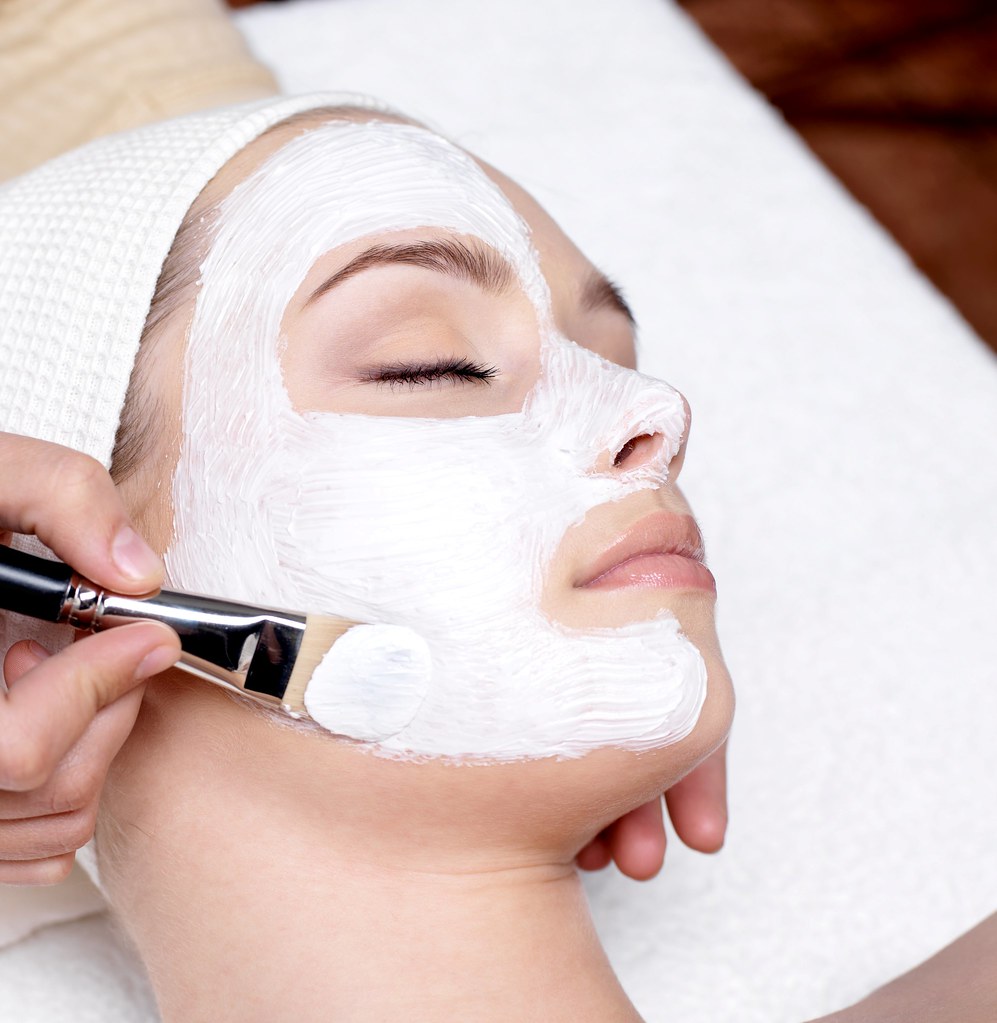
What the license actually pays
The Bureau of Labor Statistics puts the May 2025 median annual wage for skincare specialists at $45,330. The lowest-paid tenth earn under $29,580, and the top tenth clear $82,050.
That median is nearly $10,000 above cosmetology’s, which is the most interesting fact on this page. Esthetics generally requires fewer hours, costs less to enter, and pays more. If you’re choosing between the two purely on money, and you don’t specifically want to cut hair, esthetics is the better deal on every axis we can measure.
Growth is 7% from 2024 to 2034, a bit above average, though it’s a much smaller occupation than cosmetology at roughly 14,500 openings a year. That means less churn but also fewer chairs, and it’s a reason to research your specific local market rather than trusting a national number.
The top of that range belongs to medical esthetics: dermatology practices and medical spas paying for advanced modalities, not resort spas paying commission on facials. That’s a real ladder, and it usually starts with the cheap license and gets built with employer-paid certifications afterward. Which is the argument for entering this career through the 220-hour door rather than the 750-hour one, and letting someone else fund the specialization.
Compare training paths
The cheapest path is rarely the one that advertises the most. Community college, apprenticeship, and employer-sponsored routes usually cost less than a private program covering the same license or certification.
| Path | Cost | Time | Tradeoff |
|---|---|---|---|
| Private esthetics program | $12,050–$14,150 | 6–9 mo | Aveda Arts & Sciences Institute (New Orleans) lists $12,050 tuition plus a $2,100 student kit fee, a $10 state board registration fee, and a $50 non-refundable application fee, for a 750-hour program finishing in about six months full-time. |
| Community college esthetics program Lower cost | $4,000–$8,000 | 4–12 mo | Community colleges teach the same state-mandated hours for substantially less than a private academy. Availability varies a lot by state, so check what's near you before assuming the private school is the only option. |
| Low-hour state (relocate or train where it's shorter) | $3,000–$6,000 | 3–5 mo | Florida licenses a Facial Specialist in 220 hours, roughly a third of Texas's 750. If you're mobile, where you train changes the price more than which school you pick. Understand the license may not transfer cleanly if you later move. |
Paying for it
Grants, sponsorship & free paths
- Pick your state deliberately. The hour requirement is the cost. Florida's 220-hour facial specialist route is the shortest, cheapest legal path into this work that we found. If you're choosing between states anyway, this is worth thousands.
- License fee waivers (state-specific). Nebraska waives the initial license fee for applicants aged 17-25, low-income applicants, and military families, at the same fee schedule as cosmetology. Check your own board rather than assuming.
- WIOA workforce grant. Esthetics programs can appear on a state's Eligible Training Provider List. Worth a call to an American Job Center before paying a private academy's deposit. Details.
Compare Esthetician programs
We're not routing this career to a specific school or lead program yet. Use the cost breakdown and path comparison above to shortlist a program near you, then compare their quote against the numbers on this page before you commit.