Trades · costs reviewed July 2026
Electrician License Cost (2026): Real Price, Time & Pay
What becoming an electrician really costs: paid apprenticeship vs trade school, the journeyman license fee, and why the 8,000 hours matter more than tuition.
Jump to the estimator
Cost-to-become estimator: Electrician
Pick your path and region. The all-in total, timeline, and payoff update as you go. No email, no quote form.
Estimated all-in cost
– –
How this estimate is built
Costs reviewed July 2026. Your real cost will vary by school, state, and program.
What's in the all-in number
| Item | Low | High |
|---|---|---|
| Tuition / program (paid apprenticeship (no tuition) or private trade school program) | $0 | $15,856 |
| Books, materials & supplies | $395 | $900 |
| Exam & license/certification fees | $30 | $100 |
| All-in total | $425 | $16,856 |
Base national range before the estimator's region and path adjustments. Reviewed July 2026.
Salary & payoff
Median annual pay
$63,190
Entry-level pay
$42,640
Payback on the typical all-in cost
~1.6 months
Source: U.S. Bureau of Labor Statistics, Occupational Employment and Wage Statistics, 47-2111 Electricians.
Texas charges $30 to apply for a journeyman electrician license. It also requires 7,000 hours of on-the-job training under a licensed master electrician before you’re allowed to pay it. That ratio is the entire story of this career, and it’s why the trade school pitch deserves a hard look.
The license fee is almost free
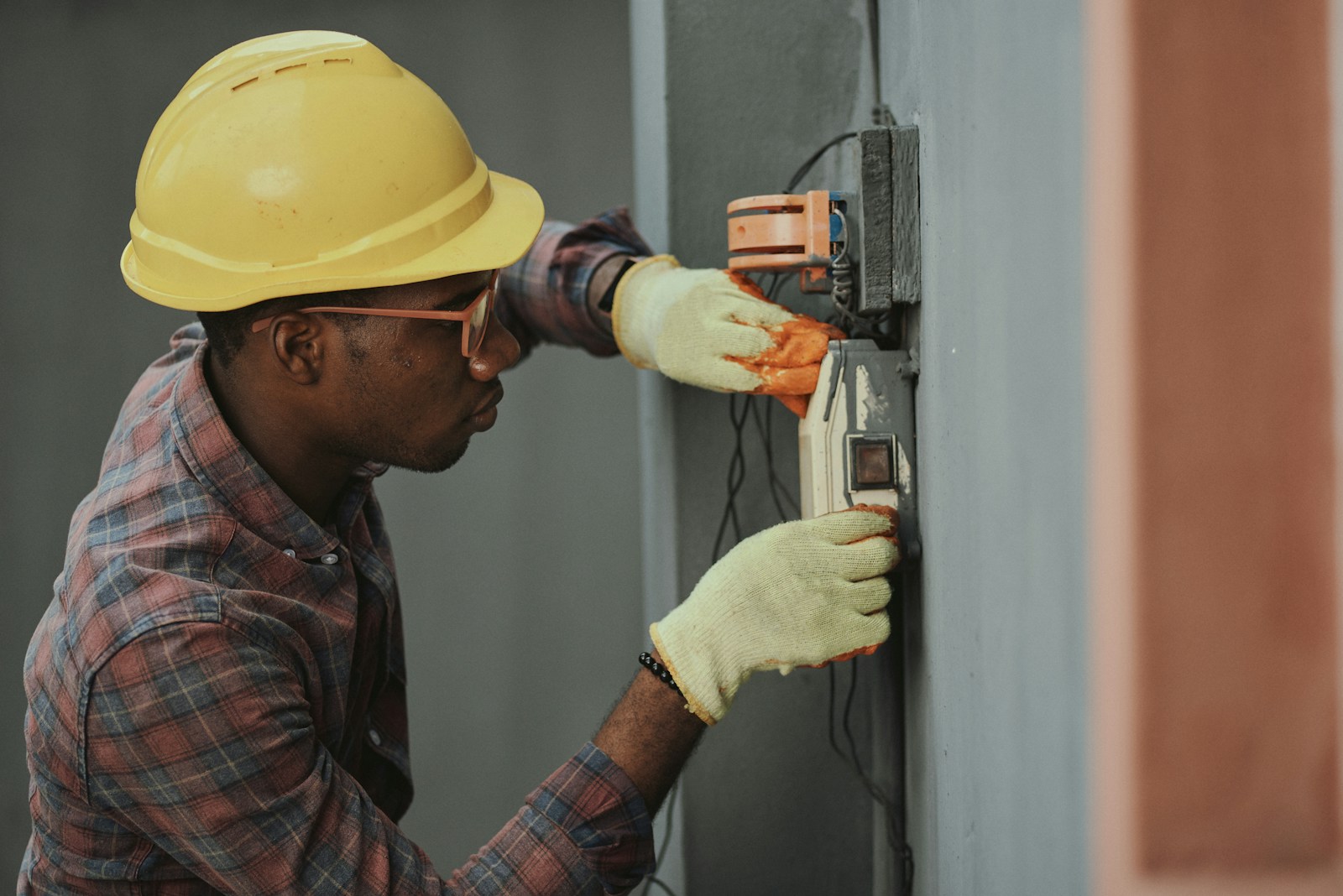
Start with the number people assume is big. Texas’s journeyman electrician application fee is $30, non-refundable. Oregon charges $100 for a three-year general journeyman license, written into state statute. There’s a separate exam fee administered by PSI in both states, which neither board states on its own page, so call PSI or read the current candidate bulletin rather than trusting a number off a blog. It’s not large.
So the license itself costs less than a decent pair of work boots. What’s expensive is time, and what’s valuable is that somebody pays you for it.
The path that pays you to learn
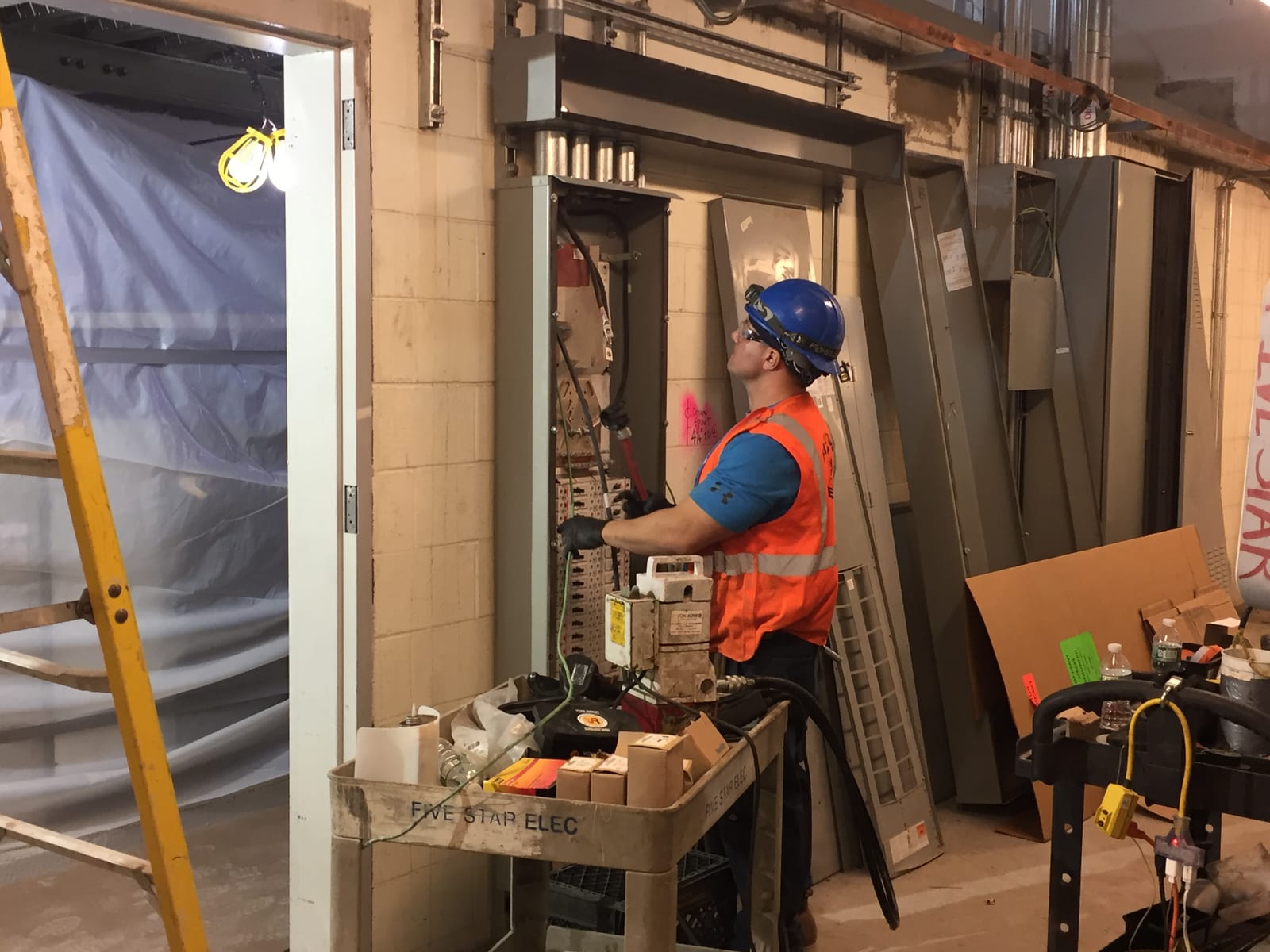
Most electricians don’t buy their way in. They get hired into an apprenticeship and earn a wage that steps up as their hours accumulate.
The Raleigh-Durham Electrical JATC publishes its scale, and it’s worth reading as a concrete example of how the whole system works. A pre-apprentice starts at 60% of journeyman scale, $19.46 an hour. First year is 65% at $21.09. Second year 70%, third year 75%, fourth year 85% at $26.41, and journeyman is 100% at $32.44. No tuition. You’re an employee the whole way.
The non-union version works similarly with a small tuition line. IEC Atlanta charges member-contractor employees $1,495 a year plus $600 to $900 for books, across four years of 8,000 on-the-job hours and 576 classroom hours, starting apprentices at $17 to $20 an hour. Their own page notes most apprentices double their wages in four years.
What a trade school diploma actually buys
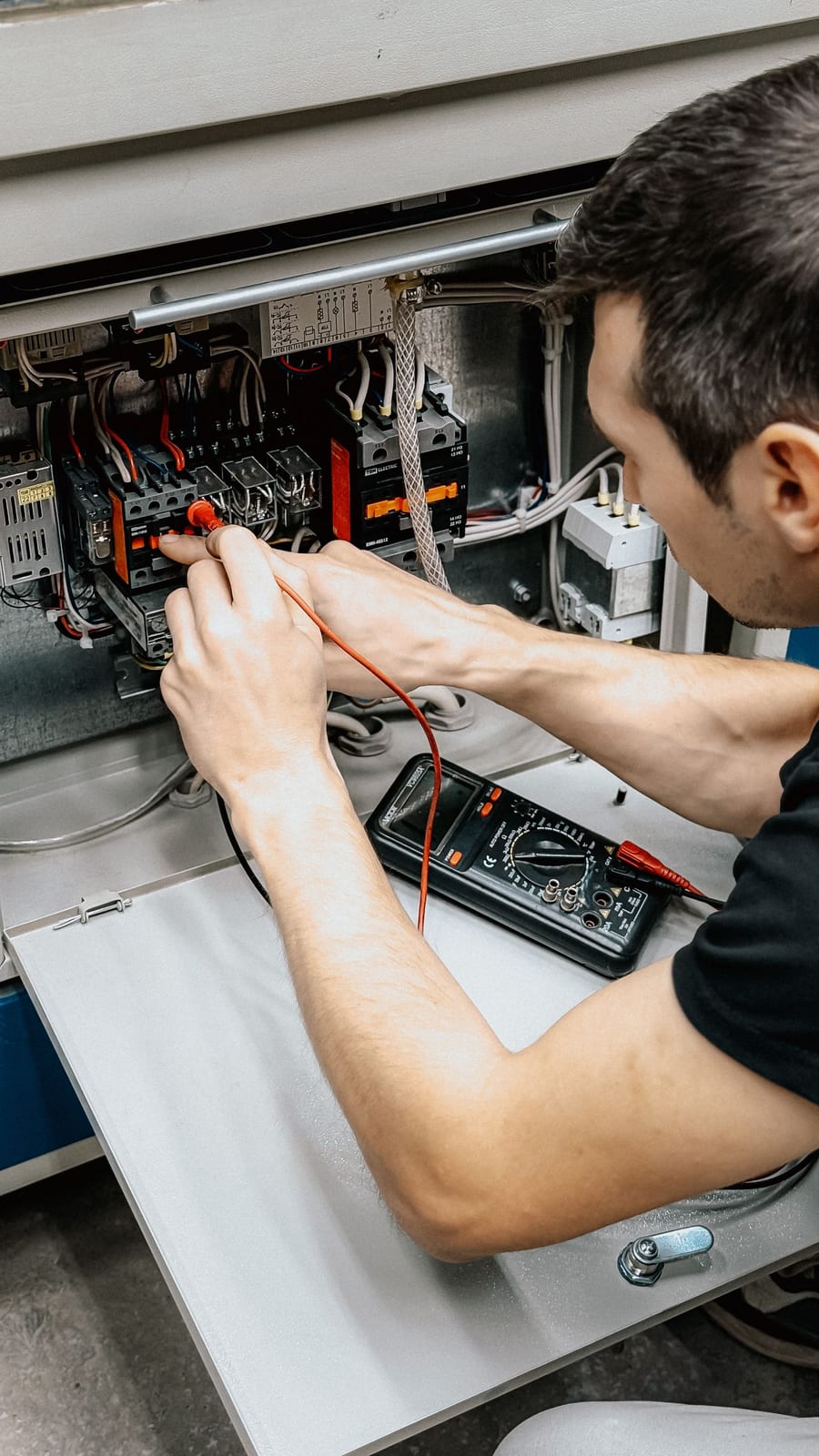
Here’s where people lose real money. Porter & Chester’s electrician diploma runs 12 months, and a secondary source puts its tuition around $15,856 a year (the school doesn’t publish tuition on its own program page, which is itself worth noticing).
Twelve months sounds like a shortcut against a four-year apprenticeship. It isn’t one. A diploma is not a license. Texas still requires those 7,000 hours under a licensed master electrician before you can sit for the journeyman exam, and a trade school graduate walks into the same hour-logging requirement as everyone else, having paid $15,000 for the privilege of starting it. The diploma can help you get hired and may shave time off the classroom side, but it does not replace the hours, and any program implying otherwise is selling you something.
Compare the two honestly. Apprenticeship: paid from week one, no tuition, four to five years, journeyman at the end. Trade school then apprenticeship: $15,000 out of pocket, twelve months of no income, then most of the same hours anyway. The apprenticeship is competitive and application windows open on the local’s schedule, and that’s a real reason people take the school route. It’s not a good enough reason to skip applying.
Tools, and the one real out-of-pocket cost
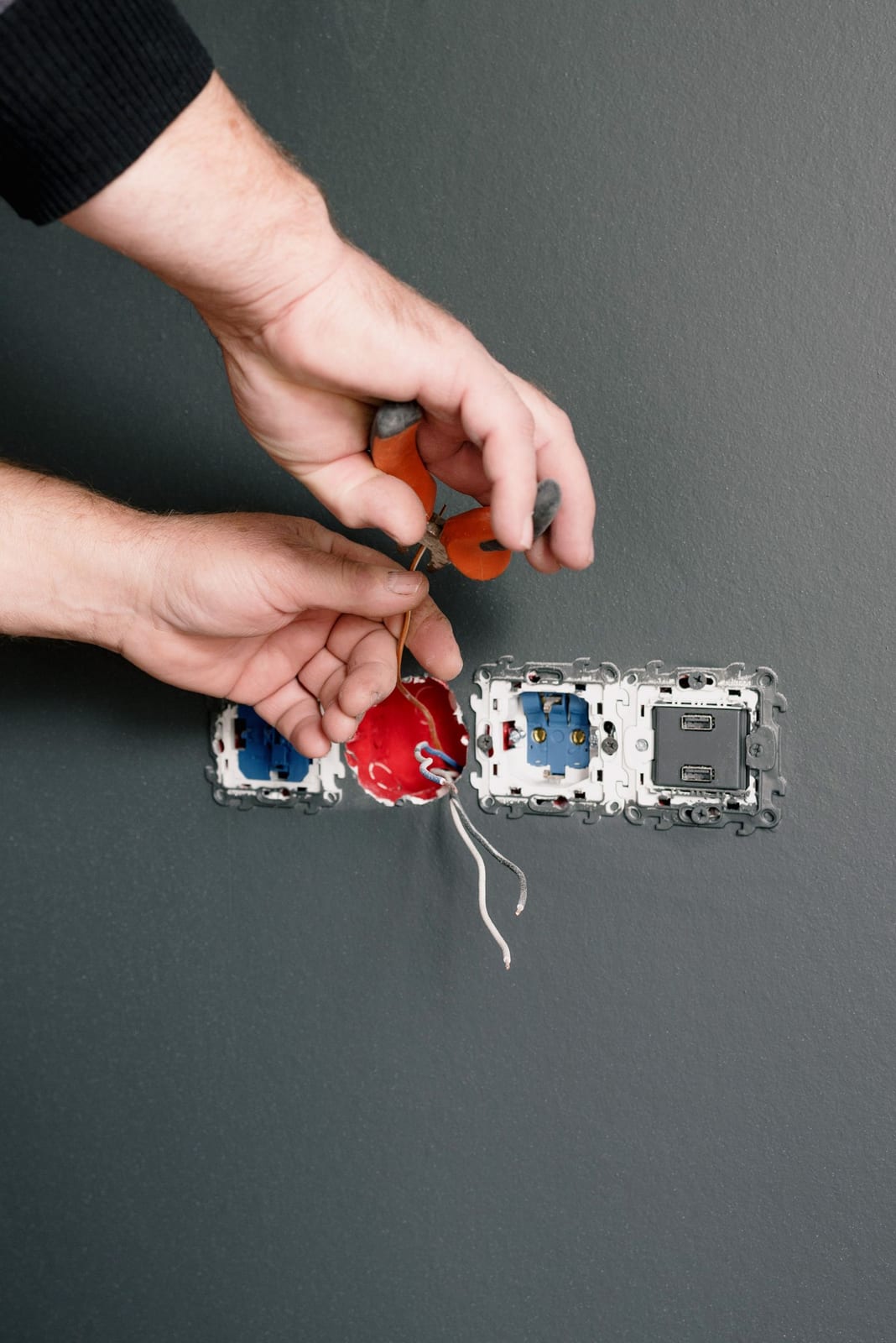
Apprentices buy their own hand tools. IEC of Southern Colorado sells a 15-piece Milwaukee starter bundle, bag and belt through lineman’s pliers and a jab saw, for $395, or $410 on a card. That’s the honest entry cost for the apprenticeship route: a few hundred dollars in tools and a work ethic.
Veterans have a distinct advantage worth naming. The VA explicitly lists an electrical trade among eligible on-the-job-training and apprenticeship programs, paying a monthly living stipend on top of your apprentice wage, plus up to $1,000 a year for books and supplies under the Post-9/11 GI Bill. The benefit decreases every six months as your wage rises, which is exactly the right shape. If you’re eligible and considering this trade, the apprenticeship route with VA support is close to unbeatable.
What the license actually pays
The Bureau of Labor Statistics puts the May 2025 median annual wage for electricians at $63,190. The lowest-paid tenth earn under $42,640, and the top tenth clear $108,510, one of the highest ceilings of any career on this site that needs no degree.
Growth is 10% from 2024 to 2034, meaningfully faster than average, with roughly 81,000 openings a year. Data centers, electrification, and grid work are all pulling in the same direction, and none of it can be done remotely.
Put the numbers side by side. An apprentice at the Raleigh-Durham scale earns $21.09 an hour in year one and $32.44 at journeyman, having paid nothing. A trade school graduate pays $15,856, earns nothing for a year, and then starts logging the same hours. Both end up in a trade with a $63,190 median. Only one of them is paid to get there.
Compare training paths
The cheapest path is rarely the one that advertises the most. Community college, apprenticeship, and employer-sponsored routes usually cost less than a private program covering the same license or certification.
| Path | Cost | Time | Tradeoff |
|---|---|---|---|
| Union apprenticeship, IBEW/NECA (paid, no tuition) Lower cost | $0–$0 | 48–60 mo | You're a paid employee from day one and your wage steps with your hours. The Raleigh-Durham Electrical JATC's 2026 schedule starts a 1st-year apprentice at 65% of journeyman scale ($21.09/hr) and steps to 100% ($32.44/hr) at journeyman. No tuition line. |
| IEC apprenticeship (non-union, low tuition, paid) | $1,495–$2,395 | 48–48 mo | IEC Atlanta lists member-contractor employee tuition at $1,495/yr plus $600-$900/yr for books, across 4 years / 8,000 OJT hours + 576 classroom hours. Starting wage $17-$20/hr, and the chapter states most apprentices double their wages in four years. |
| Private trade school diploma | $15,856–$15,856 | 12–12 mo | Porter & Chester's electrician diploma runs 12 months. Understand what it does and doesn't buy: a diploma is not a license, and you still owe the state thousands of OJT hours under a licensed electrician before you can sit the journeyman exam. It's a head start, not a shortcut. |
Paying for it
Grants, sponsorship & free paths
- The apprenticeship IS the aid. This is the rare trade where the standard route pays you instead of charging you. IBEW/NECA apprenticeships carry no tuition line, and IEC's is $1,495/yr against a wage. If you're weighing a $15,000 diploma against an apprenticeship, understand you'd be paying for the privilege of a slower start.
- VA benefits (on-the-job training / apprenticeship). The VA explicitly lists an electrical trade among eligible on-the-job-training and apprenticeship programs. Post-9/11 GI Bill pays a monthly living stipend plus up to $1,000/year for books and supplies, and the benefit decreases every six months as your wage rises. Requires a training contract with an employer or union. Details.
- WIOA workforce grant. Can fund pre-apprenticeship and electrical training through your state's Eligible Training Provider List. Worth a call to an American Job Center before paying a private school. Details.
Compare Electrician programs
We're not routing this career to a specific school or lead program yet. Use the cost breakdown and path comparison above to shortlist a program near you, then compare their quote against the numbers on this page before you commit.