WIOA Grants: How to Get Your Job Training Paid For (2026)
A WIOA workforce grant can cover the full cost of CDL, welding, HVAC, or CNA training with no repayment. Who qualifies, how to apply, and what it won't cover.

There’s a federal program that will pay the entire cost of your CDL, welding, HVAC, or CNA training, hand you no loan paperwork, and ask for nothing back. It’s been law since 2014. Most of the people who qualify for it have never heard of it, because the schools that would have to tell you about it make less money when you use it.
What WIOA actually is
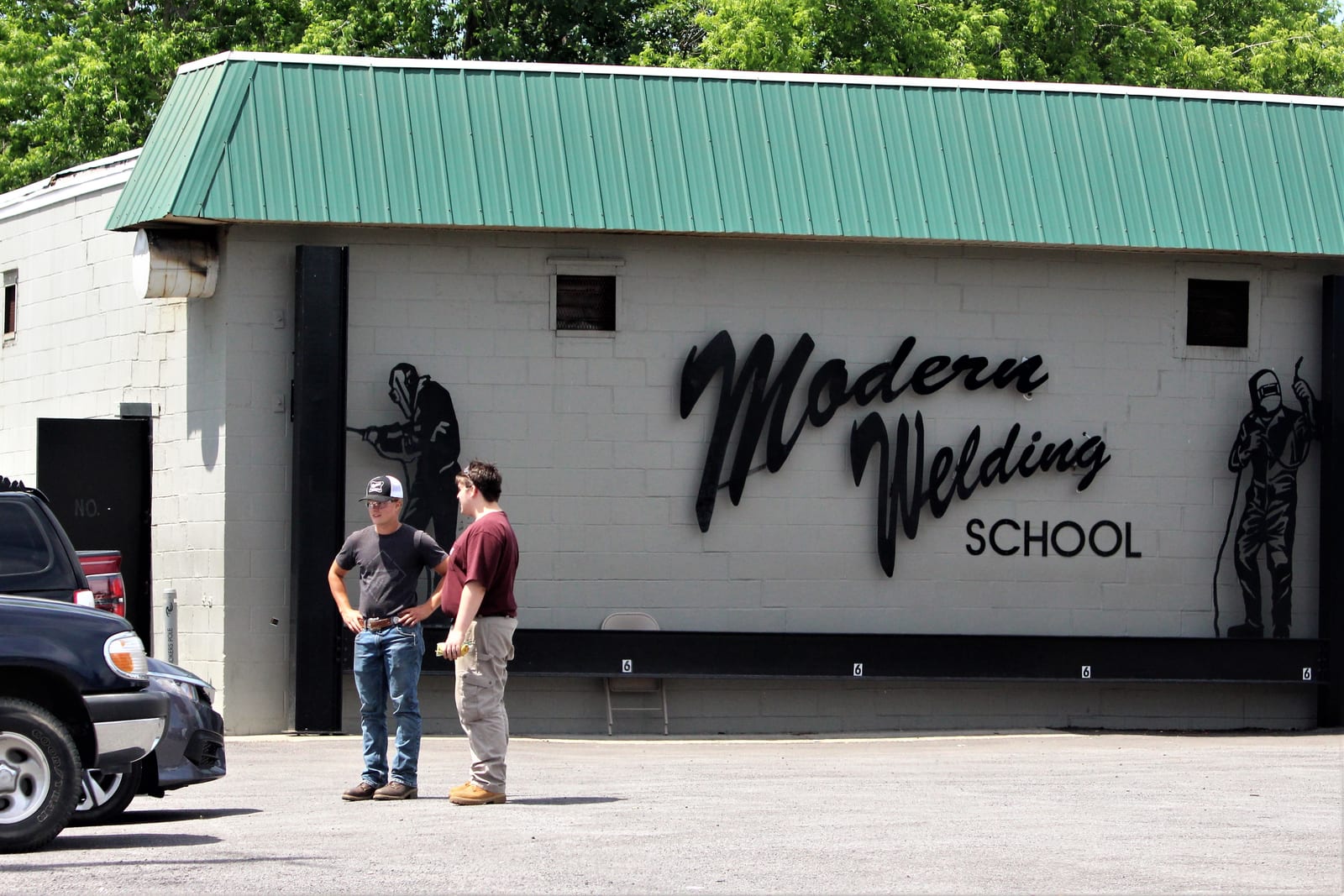
The Workforce Innovation and Opportunity Act is the federal government’s job-training law. The part that matters to you is the Individual Training Account, which is a pot of money assigned to a specific person for a specific approved program. It’s a grant, not a loan. There’s no repayment, no interest, and no credit check.
It’s administered locally rather than nationally, which is the main reason it’s invisible. There’s no WIOA website where you enter your details and get a check. You go through an American Job Center, the local office that runs workforce programs in your area, and they decide.
That local structure is also why the advice you’ll read online is so vague. Coverage amounts, waiting lists, and which programs are approved genuinely vary by state and by county. Anyone quoting you a precise national dollar figure is guessing.
Who qualifies
Broadly: people who are unemployed, underemployed, or dislocated workers, with priority typically going to low-income applicants, veterans, and people receiving public assistance. “Dislocated worker” is the category people miss most often. It generally means you lost a job through no fault of your own, including a plant closing or a layoff, and it catches a lot of career-changers who assume the program is only for the long-term unemployed.
Underemployed matters too. If you’re working but your wages are low enough, you may still qualify while holding a job. People routinely disqualify themselves in their own heads because they’re technically employed, and never make the call that would have told them otherwise.
The catch that decides everything: the provider list
Here’s the rule that matters more than eligibility, and it’s the one people learn too late.
WIOA money only pays for programs on your state’s Eligible Training Provider List. If the school you picked isn’t on it, the grant cannot pay for that school, no matter how eligible you are. Not “it’s harder.” It can’t.
This is why the order of operations is everything. Call the American Job Center before you tour a school, before you sign an enrollment agreement, and above all before you put down a deposit. Ask them for the approved provider list for the training you want, then shop only inside it. Doing it the other way around, falling in love with a school and then asking whether the grant works there, is how people end up financing $24,000 privately for a credential the state would have bought them.
Most established community college programs are on the list. Many private trade schools are too. But you have to check, not assume.
What it looks like when it works
Bevill State Community College in Alabama runs an HVAC Fast Track. It’s $4,500 and takes 11 weeks. The school’s own page states the program is free to WIOA-approved participants.
Sit with that comparison. The Refrigeration School in Phoenix lists a total program cost of $23,825 for a program taking 6 to 10 months. Both routes end with you working on HVAC systems in a trade whose median wage is $61,010. One of them costs $23,825 and most of a year. The other, if you qualify, costs nothing and takes 11 weeks.
That’s not an argument that the private school is a scam. It’s longer, more thorough, and starts whenever you’re ready rather than when the semester does. It’s an argument that you should know both numbers before you choose, and that the industry’s advertising budget is not spent on making sure you do.
The same shape shows up across the trades. A CDL can be fully covered, including the DOT physical and permit fees. Welding, HVAC, and CNA certificates are all common approved uses. So is phlebotomy.
What it won’t do
Be realistic about the limits, because overselling this helps nobody.
Funding isn’t unlimited and it isn’t instant. Local areas run out of money, keep waiting lists, and prioritize. The process involves appointments, paperwork, and sometimes an assessment. It is slower than swiping a credit card at a private school, which is precisely the convenience that private school is charging you for.
It also generally won’t cover a four-year degree, and it won’t cover a program the state doesn’t consider aligned with real local demand. That’s the system working as designed rather than a loophole: it’s a jobs program, not a scholarship fund.
And in some places, for some trades, an apprenticeship beats it outright. If you can get into an electrician apprenticeship, you’re paid from week one and owe no tuition at all, which is better than having tuition covered. WIOA is the best answer when you need a credential fast and can’t afford it. It isn’t automatically the best answer available.
The actual next step
One phone call, in this order:
Find your local American Job Center through the Department of Labor’s directory. Tell them the specific job you’re targeting, not just “I want training.” Ask two questions: am I eligible, and what’s on the approved provider list for this training. Then shop only inside that list.
That call takes twenty minutes and is worth, at Bevill State’s numbers, $4,500. At a private trade school’s numbers, it’s worth closer to $24,000. It’s the highest-paid twenty minutes available to most people reading this, and the reason almost nobody makes it is that no one selling training has any reason to suggest it.